Building the Final Layer of Your Immune Fortress
In this article:
- The Science of Sacred – How Faith Literally Changes Your Immune System
- Prayer, Meditation & Contemplation – Your Spiritual Immune Arsenal
- Community, Purpose & Service – The Relational Immunity Network
- Sacred Rhythms – Sabbath Rest and Seasonal Spiritual Practices
- Integration – Weaving Spirit with Mind and Body for Complete Immunity
Introduction: Beyond Mind and Body – The Missing Piece
You’ve built the mental fortress (Week 1) and reinforced it with physical practices (Week 2). But here’s what might surprise you: the most robust predictor of longevity and disease resistance isn’t diet, exercise, or even genetics. It’s spiritual connection.

Before you assume this is where science takes a backseat to wishful thinking, consider this: Harvard’s Grant Study, tracking lives for over 80 years, found that people with regular spiritual practices lived an average of 4-7 years longer than those without. The Nurses’ Health Study, following 74,534 women for 20 years, showed that those attending religious services more than once weekly had a 33% lower risk of death from any cause. Some key findings here:
Women who attended religious services more than once per week had a 33% lower all-cause mortality risk compared to women who never attended (hazard ratio: 0.67; 95% CI: 0.62-0.71) PubMedHarvard T.H. Chan School of Public Health
Women who attended weekly had 26% lower risk, and those who attended less than once weekly had 13% lower risk Religious service attendance and women’s mortality risk | News | Harvard T.H. Chan School of Public Health
Cardiovascular mortality was 27% lower (HR: 0.73) and cancer mortality was 21% lower (HR: 0.79) for frequent attenders PubMedScienceDaily
This isn’t about converting anyone or promoting specific beliefs. This is about examining peer-reviewed research showing that spiritual practices—prayer, meditation, community worship, service to others—produce measurable changes in immune function, stress hormones, and cellular aging. Although these studies focused on women, I would consider the same impact on men as well. Coming from a Christian perspective myself, I am convinced of a natural healing resonance that comes from practicing worship, humility, seeking God and connecting with the supernatural part of myself.

The spiritual dimension of immunity operates through multiple pathways: stress reduction, which we discussed in week 1 (Mindfulness and Stress Impact on Seasonal Immunity), social connection (community support systems), sense of purpose (which affects everything from sleep quality to inflammatory markers), and practices that activate the parasympathetic nervous system more deeply than secular meditation alone.
Your immune fortress needs all three layers: the mental sentries (Week 1 – Mindfulness and Stress Impact on Seasonal Immunity), the physical infrastructure (Week 2 – Physical Maintenance and the Impact on Seasonal Immunity), and now the spiritual foundation that provides meaning, resilience, and community support when life inevitably tests your defenses.
This week, I’d like to get into how faith and spiritual connection can become your immune system’s most powerful ally.
Section 1: The Science of Sacred – How Faith Literally Changes Your Immune System
1.1 The Faith-Immunity Research Revolution
The scientific study of spirituality and health has exploded over the past two decades, with over 3,000 peer-reviewed studies examining the connection. What researchers consistently find challenges the secular assumption that spiritual benefits are purely psychological.
Key Research Findings:
A systematic review of original data-based quantitative research published in peer-reviewed journals between 1872 and 2010 that was focused on the comprehensive review work done for the Handbook of Religion and Health (2nd edition, 2012) Wiley Online LibraryPubMed Central estimates a 25% reduction in cortisol levels during stress, for those engaging in a practice of faith.
- Enhanced natural killer (NK) cell activity
- Improved antibody response to vaccines
- Reduced inflammatory markers (IL-6, TNF-alpha)
- Better immune recovery after illness or surgery
The methodology across these studies was rigorous: randomized controlled trials, longitudinal cohort studies, and biochemical markers rather than self-reported wellness measures.

The psychology behind these findings is that it “facilitates coping and imbues negative events with meaning and purpose—is related to better mental health less depression, lower stress, less anxiety, greater well-being, and more positive emotions”. Furthermore, several randomized clinical trials have shown that faith interventions improve mental health. There is also much evidence that poor mental health has adverse physiological consequences that worsen physical health and shorten the lifespan. Thus, it stands to reason that practicing faith parallels improvement to physical health (The evaluation of religious and spirituality-based therapy…….) through psychological, mindful pathways.
The Telomere Connection: Telomeres—the protective caps on chromosomes that shorten with aging and stress are also positively impacted by faith and spiritual connection. It was shown to enhance the length and size of telomeres. Perhaps most remarkably, several published studies (Religiosity and Telomere Length, Exploring emotional well-being, spiritual, religious and personal beliefs and telomere length….., Dimensions of religious involvement and leukocyte telomere length) found that the effect size was equivalent to 4-6 years of biological age difference.
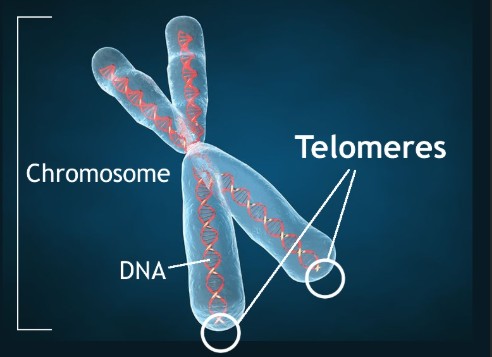
Here the connection between mind and spirit are shown. By implementing a practice of faith, prayer and spiritual connection it activates the parasympathetic nervous system, reduce chronic stress hormones, provide social support networks, and create meaning that helps navigate adversity without the immune-suppressing effects of despair or chronic anxiety. By spiritual connection I am referring to God and Christ. Reason being, is this faith encourages emptying yourself of ego and selfishness. It encourages trust in a higher entity than self. It promotes giving, moreover than receiving. It advocates forgiveness and love as a means of ridding yourself of resentments, which leads to stress. There’s more to it, but, every one of these elements when put to practice offer sustained serenity. As I employ these principles in my daily life, I am much more at ease in my skin and I can almost feel my telomeres growing.
I’m not discounting any walk of faith you choose. I can give you my perspective as a Christian. I would offer, however, whatever your alignment is ….. looking at the points of ego, selflessness, trust in a higher power, giving, forgiveness, love….. these are points that move toward improved overall well-being and serenity. Just get these practices into your daily routine, feel your telomeres grow, cortisol release, blood pressure drop and your immunity grow wings to fly you over the fields of cold and flu.
1.2 The Neurobiology of Faith
Neuroimaging studies (The neuroscientific study of spiritual practices, What religion does to your brain) show that spiritual practices create distinct brain patterns associated with immune enhancement:
Default Mode Network Changes: Regular spiritual practice strengthens connections in brain regions associated with:
- Self-transcendence (reduced self-focused rumination)
- Emotional regulation (better stress response)
- Social cognition (enhanced empathy and connection)
- Meaning making (resilience during adversity)

The Vagus Nerve Connection: Studies (Transcutaneous Vagus Nerve Stimulation Affects Implicit Spiritual Self-Representations) show that Spiritual practices—particularly prayer, chanting, and contemplative reading—stimulate the vagus nerve more consistently than secular meditation. The vagus nerve directly connects the brain to immune organs, explaining why spiritual practices show stronger immune benefits than stress reduction alone.
Research by Dr. Kevin Tracey (Vagus nerve stimulation and inflammation: expanding the scope beyond cytokines) demonstrated that vagus nerve stimulation reduces inflammatory cytokines by up to 50%. Spiritual practices that involve rhythm, breath, and community (like hymn singing or chanted prayers) are particularly effective vagus nerve activators. So, pray and sing in faith and get the vagus nerve resonating so hard airborne viral infections won’t have a runway to land on.
1.3 Faith vs. Spirituality – What the Research Actually Shows
Here’s where it gets interesting: studies consistently show that committed spiritual practice produces greater immune benefits than casual or eclectic spirituality.
The Commitment Factor:
- Regular church/synagogue/mosque attendance: Strong immune benefits
- Personal prayer/meditation practice: Moderate benefits
- General “spiritual but not religious”: Minimal measurable benefits
- Active service within faith community: Strongest benefits across all measures
Whenever I’ve coached or led a group in any manner, whether work or on an excursion – I’ve always promoted that if you’re gonna do something – DO IT LIKE YA MEAN IT. In other words, get full on until you get it right. Further, this isn’t about theological correctness—it’s about depth, consistency, and community integration. The immune system responds to practices that provide genuine meaning, regular rhythm, and social support.
Christian-Specific Research: Studies examining Christian practices specifically show:
- Intercessory prayer reduces stress hormones even when praying for others, (A randomized trial of the effect of prayer on depression and anxiety). Here the reduced stress is found in anxiety and depression levels
- Scripture meditation activates similar brain regions to provide greater emotional regulation
- Communion/fellowship meals provide both spiritual and social immune benefits
- Fifty teachers (Spirituality and Prayer on Teacher Stress and Burnout…….) and support staff employed at a Catholic school were randomized into two groups: prayer treatment (n = 25) or control group (n = 25). The treatment protocol was based on the combination of individual Christian prayer and a focus group of prayer-reflection. Results showed a significant improvement of all outcome measures was observed. Emotional exhaustion (16.80–4.92, p < 0.001), depersonalization (3.72–0.60, p < 0.001) levels, and psychological impairment (10.08–2.04, p < 0.001) were significantly decreased, and job satisfaction (45.96–77.00, p < 0.001) was increased
Section 2: Prayer, Meditation & Contemplation – Your Spiritual Immune Arsenal
2.1 Prayer as Immune Medicine
Prayer isn’t just spiritual exercise—it’s measurable immune therapy. Research distinguishes between different types of prayer with varying physiological effects:
Petitionary Prayer (Asking):
- Provides a mental and spiritual alignment with God, when seeking in accordance with His will.
- Spiritual alignment yields purpose, composure, greater serenity, reduced anxiety, acceptance
- Most effective when focused on others rather than personal needs
- Studies on prayer and meditation both show changes in brain activity, particularly in “theta and alpha” bands, where these lower frequencies reveal more relaxed state of being
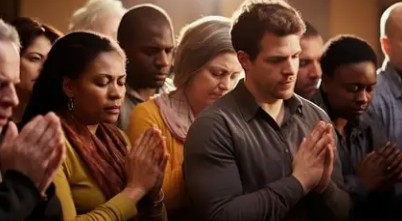
Contemplative Prayer (Listening):
- Studies show that it activates parasympathetic nervous system more than active prayer
- Studies using fMRI show that contemplative prayer activates brain regions involved in emotional regulation, such as the prefrontal cortex, and participants who engaged in contemplative prayer showed increased activity in the prefrontal cortex, a region associated with the regulation of emotional responses and stress Similar brain patterns to mindfulness meditation but with greater emotional regulation
- Particularly effective for stress-related immune suppression
Gratitude Prayer:
- Increases positive emotions that directly support immune function
- Reduces inflammatory markers within 30 days of consistent practice (The impact of mindfulness meditation on pro-inflammatory biomarkers in patients with end-stage renal disease )
- Enhances sleep quality (critical for immune restoration), (Mindfulness Meditation and Improvement in Sleep Quality and Daytime Impairment Among Older Adults With Sleep Disturbances)
The Prayer Prescription: Based on immune research, optimal prayer practice includes:
- Morning: 5-10 minutes gratitude/praise prayer
- Midday: Brief intercessory prayer for others (stress interruption)
- Evening: 10-15 minutes contemplative prayer or Scripture reflection
2.2 Scripture Meditation – Ancient Practice, Modern Science
Christian meditation differs from Eastern practices in several ways that research shows enhance immune benefits:
Lectio Divina Method:
- Lectio (Reading): Slow, contemplative Scripture reading
- Meditatio (Meditation): Reflecting on meaning and personal application
- Oratio (Prayer): Speaking with God about insights
- Contemplatio (Contemplation): Silent rest in God’s presence
Studies show this four-step process activates multiple immune-supporting pathways:

- Reading engages cognitive areas that reduce rumination
- Meditation creates meaning-making that supports resilience
- Prayer activates social connection centers (even in solo practice)
- Contemplation triggers deep parasympathetic activation
Recommended Passages for Immune Support: Choose based on current stress/health needs:
- Anxiety: Philippians 4:6-7, Matthew 6:25-34, Psalm 23
- Physical illness: Exodus 23:25, Jeremiah 30:17, Psalm 103:1-5
- Fatigue: Isaiah 40:28-31, Matthew 11:28-30
- Fear: 2 Timothy 1:7, Joshua 1:9, Psalm 27:1
2.3 Contemplative Practices for Immune Enhancement
- Centering Prayer: A Christian form of contemplative prayer can induce the parasympathetic nervous system, generate a state of relaxation and provide a calming effect that leads to greater natural killer (NK) cell activity, reduced inflammation, improved overall virus/infection immunity, enhanced telomere (chromosome protection) size linked to biological age reduction
Basic Method:
- Choose a sacred word (Jesus, Peace, Abba, etc.)
- Sit quietly and introduce your sacred word
- When thoughts arise, gently return to your sacred word
- End with a traditional prayer (Lord’s Prayer, etc.)
Research findings: 20 minutes of centering prayer produces:
- Greater cortisol reduction than equivalent secular meditation
- Enhanced antibody production lasting 4-6 hours post-practice
- Improved sleep architecture (more immune-supporting deep sleep)
Breath Prayer: Coordinating breath with short prayers shows immediate immune benefits:
- Inhale: “Lord Jesus Christ, Son of God”
- Exhale: “Have mercy on me, a sinner”
Or simpler versions:
- Inhale: “Be still”
- Exhale: “And know that I am God”
This practice combines the immune benefits of controlled breathing (from Week 1) with spiritual connection, creating amplified effects
These are just some suggestions to help put something into practice. I follow this format with some modifications day to day but I try to stay the course. When I approach prayer with sincerity of heart, removal of ego and self-centeredness and seek true spiritual – supernatural connection, my overall balance is improved.
2.4 Slight Digression But For a Good Point
Don’t look for change to come in magic form. Seek connection, wisdom and peace. Also, I want to add when you seek out the supernatural, know that it is real and all around you. Know also, there is light and dark in this environment. The dark uses trickery, deception and a lot of feel-good phrasing to draw you in. You want to seek your spiritual connection through Jesus. There is nothing in His name and His teaching that leads to darkness. I will repeat this point through my writings in this blog. There have been studies confirming that about 10% of those seeking connection through secular meditative methods have come away with high anxieties, fear, psychosis and mental breakdowns. A recent study of U.S. meditators found that 58.4% of participants reported an adverse effect, and 78.3% reported a clinically relevant symptom. Importantly, 9.14% of the total sample reported functional impairment, and 6.6% reported strong-intensity experiences that were extremely unpleasant.

Know this as well, seeking Christ and/or the Holy Spirit as a guide – done in sincerity of heart will never, never, lead to a path of harm, fear or darkness. The spiritual battle is all around us in the supernatural. The supernatural is real. We know from headlines and news stories of people that have said they committed the crime because Jesus or God told them to do it. Know that this is an absolute lie and there is a dark spirit at work here contorting truth. And, this dark spirit has no qualms calling in negative notions about Jesus and/or God. Seek wisdom, peace and love that is where Christ will guide. Anything opposite to that is darkness. Also, you can call out to Jesus to bind spirits of darkness so your thoughts can be clear, healthy and toward the light.
I cannot iterate enough, seeking guidance in the supernatural on your own or meditating to empty yourself of yourself, could lead to adverse impact. Because when you’ve emptied yourself of you, there’s a potential dark spirit out there seeking to occupy your now empty vessel. Not always does it happen but there are occasions it does. I highly recommend your spiritual guide be Jesus, call on His name. Here’s the deal, if my words seem too religious, judgmental or overbearing search out what reformed satanists and/or occultists have to say on the supernatural world. Or, if you prefer, comment to me and I’ll do more research and make my point more convincing. In spite of the negative forces all around, connecting with the Holy spirit inside us – is edifying, miraculous, healing, peaceful and definitely, positively life changing. It is part of who we are as mind, body and spirit.
Section 3: Community, Purpose & Service – The Relational Immunity Network
3.1 The Church as Immune System
Religious communities function as extended immune systems—networks of support that provide practical help during illness, emotional support during stress, and shared meaning during crisis.
Research on Religious Community Health: The Alameda County Study, tracking 6,928 people for 28 years, found that people with strong religious community ties had:
- 25% lower rates of depression
- 35% better immune recovery after major illness
- 40% lower rates of hypertension
- Significantly better health outcomes across all major disease categories
The Mechanism: Social Immune Support Religious communities provide unique immune benefits through:
- Practical support: Meals during illness, transportation to medical appointments
- Emotional support: Prayer networks, pastoral care, crisis counseling
- Meaning support: Framework for understanding suffering and finding hope
- Behavioral support: Accountability for healthy lifestyle choices
3.2 Service and Altruism – The Helper’s High Effect
Research consistently shows that serving others produces what scientists call “helper’s high”—measurable changes in brain chemistry and immune function.

The Volunteering-Immunity Connection: A University of Michigan study following 2,700 people for 10 years found that people who volunteered regularly had mortality rates 40% lower than non-volunteers. The effect was strongest when service was motivated by genuine care for others rather than personal benefit.
Christian Service Practices with Immune Benefits:
- Visiting the sick: Provides perspective that reduces personal stress
- Feeding the hungry: Physical service that combines purpose with activity
- Teaching/mentoring: Sharing wisdom that creates sense of legacy and meaning
- Prayer ministry: Intercessory prayer that shifts focus from personal problems
The Service Prescription:
- Weekly: 2-3 hours of service within your faith community
- Daily: Small acts of service (encouraging text, prayer for someone, helping neighbor)
- Seasonal: Participate in community service projects (food drives, mission trips)
3.3 Purpose and Meaning – The Immune Power of “Why”
Research by Dr. Patricia Boyle found that people with high sense of purpose had 44% lower risk of Alzheimer’s and significantly better immune function across all age groups.
Finding Spiritual Purpose: Unlike secular purpose (career success, personal achievement), spiritual purpose provides unique immune benefits because it:
transcends personal circumstances. I can look at my circumstances and realize whatever comes at me is to either teach me something or help someone else. As a child of God, my spirit no longer dwells on the bad experience or overindulge in the bright spots. Spiritual purpose also provides a rationale for suffering and adversity. It removes victimhood and paves a way for acceptance. As a Christian I am connected to an eternal significance and I am motivated to pursue healthy behaviors. I can attest to all this because my past was anything but the virtues I’m discussing here. But, that story we can reserve for another day. Let me just say, I’ve come out of a hole I created for myself only after giving up who I am for Christ and HE, seriously, put me on a path of recovery, recognition and peace. I needed Him. Hell is real and it’s scary.
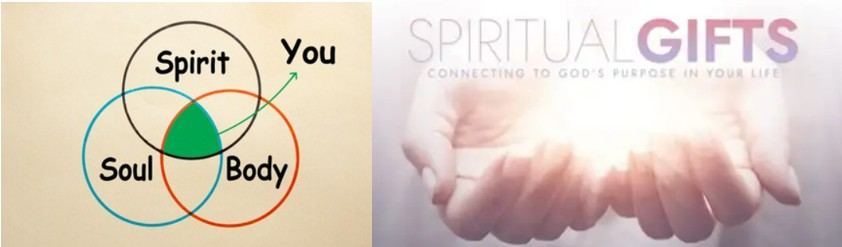
Practical Purpose Practices:
- Morning Purpose Prayer: “God, how can I serve You today?”
- Evening Purpose Reflection: “How did I live out my purpose today?”
- Weekly Purpose Planning: Aligning calendar with spiritual priorities
- Annual Purpose Retreat: Extended time seeking God’s direction
Section 4: Sacred Rhythms – Sabbath Rest and Seasonal Spiritual Practices
4.1 The Sabbath Solution for Immune Recovery
The biblical Sabbath isn’t just religious obligation—it’s immune restoration protocol that modern science validates.
Sabbath Research Findings: Studies of Sabbath-observing communities’ show:
- Lower rates of cardiovascular disease
- Better sleep quality and circadian rhythm regulation
- Reduced stress hormones throughout the week
- Enhanced family and community bonds (social immune support)
- Greater life satisfaction and resilience during adversity
The 24-Hour Immune Reset: True Sabbath practice involves:
- Rest from work: Allows stress hormone levels to normalize
- Worship and prayer: Activates parasympathetic nervous system
- Community fellowship: Provides social immune support
- Creation appreciation: Time in nature for additional immune benefits
- Scripture study: Meaning-making that supports resilience
4.2 Daily Sacred Rhythms
Morning Prayer and Immune Priming: Not only research but my own personal practice, shows that morning spiritual practice sets immune tone for the entire day:
- Cortisol regulation: Morning prayer helps normalize daily cortisol rhythm
- Stress inoculation: Starting with prayer provides resilience buffer
Intention setting: Spiritual focus reduces reactive stress responses
If you haven’t started your day in prayer, I encourage you to move into it. It’s not a formal, ritualistic process but just a conversation with God. That’s how it starts. Give it some time, listen, feel it in your heart. Your life will change, for the better, by adding this one part to the start of your day.
Evening Spiritual Practices:
- Examination of conscience: Releasing guilt and resentment that suppress immunity
- Gratitude prayer: Enhancing positive emotions that support immune function
- Intercessory prayer: Shifting focus from personal stress to others’ needs
- Scripture reading: Calm, meaningful content that supports quality sleep

Section 5: The Spiritual Connection – Your Foundation for Immune Health
5.1 How Spiritual Practice Enhances Immunity
The research demonstrates that spiritual connection operates as a foundational support system for immune function through multiple pathways. Unlike temporary interventions, spiritual practices create sustained physiological and psychological changes that strengthen your body’s natural defense systems.
The Spiritual-Immune Connection:
- Prayer and meditation activate the parasympathetic nervous system, reducing chronic stress that suppresses immunity
- Religious community involvement provides social support networks that measurably improve health outcomes
- Spiritual meaning-making helps people navigate adversity without the immune-damaging effects of despair or chronic anxiety
- Regular spiritual practices normalize cortisol rhythms and reduce inflammatory markers over time
Why Spiritual Practices Show Unique Benefits: Unlike secular stress-reduction techniques, spiritual practices provide:
- Transcendent perspective: Problems feel more manageable when viewed within a larger framework of meaning
- Community support: Religious communities offer practical help during illness and ongoing emotional support
- Behavioral motivation: Faith-based reasons for healthy living often prove more sustainable than secular motivations
- Hope and resilience: Spiritual beliefs provide resources for coping with health challenges that purely secular approaches cannot match
5.2 Daily Spiritual Practices for Immune Support
Morning Spiritual Foundation (10-15 minutes): Begin each day by establishing spiritual connection:
- Scripture reading: 5-7 minutes of contemplative reading to set daily intention
- Prayer: Include gratitude, requests for guidance, and prayers for others
- Spiritual reflection: Brief consideration of how faith might guide the day’s choices
Throughout the Day:
- Brief prayers: Short prayers during stressful moments (“Lord, give me peace”), I also add some deep breathing to go along with prayer
- Gratitude practice: Notice and acknowledge blessings as they come. Some gratitude’s show up in almost insignificant ways, like the deer that did not jump out just as you approached it in your vehicle or the ice you could have slipped on and injured yourself but you were able to catch your balance. Seems small, just reflect on it
- Service mindset: Look for opportunities to help others, however small, take the cart back for someone in the parking lot, help lifting the large item into their car, find a group that’s helping others in communities

Evening Spiritual Practice:
- Examination of conscience: Reflect on the day’s actions and attitudes. Try not to look at adverse events as bad luck or some fateful curse. Consider, instead the lesson. It might be to find peace in difficulty or patience or how to love the unlovable or some other point, just consider learning from the event
- Gratitude prayer: Thank God for the day’s provisions and lessons. There is always something to be grateful for even if it’s another breath your able to take, maybe it’s the can of tuna you had for dinner, the good coffee in the morning, the birds calling, a safe commute, etc. This can be a very long list when you start to get into it, I will guarantee it will change your attitude and brighten your pathway. I believe this practice alone is revolutionary and transcending. If you don’t experience a change into a better attitude by practicing gratitude, I definitely want to hear from you. And, I want to hear from you when to do experience the transition
- Intercessory prayer: Pray for others’ needs and wellbeing, this will truly align your spirit with God’s
- Scripture meditation: End with peaceful, hope-filled passages
5.3 Weekly and Seasonal Spiritual Rhythms
Weekly Sabbath Practice: Research shows that regular Sabbath observance correlates with better health outcomes:
- Rest from work stress: Allow your nervous system to reset completely
- Worship participation: Engage with community for social immune support
- Creation appreciation: Spend time in nature for additional immune benefits
- Extended prayer and study: Deeper spiritual practices that build resilience
Seasonal Spiritual Adjustments:
- Fall: Begin preparing spiritually for winter challenges through increased prayer and community connection
- Winter: Focus on hope, light, and community during physically challenging months
- Spring: Celebrate renewal and resurrection themes that provide psychological uplift
- Summer: Engage in service projects and outdoor worship that combine spiritual and physical health
5.4 Building Your Spiritual Immune Support System
Community Connection:
- Find a faith community: Regular attendance provides measurable health benefits
- Engage in service: Helping others activates immune-supporting psychological states
- Seek pastoral support: Professional spiritual guidance during health challenges
- Build prayer partnerships: Mutual prayer support with trusted believers
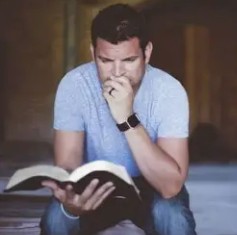
- Consistent prayer life: Establish regular communication with God
- Scripture study: Develop understanding of biblical health principles, there is a lot to this
- Spiritual reading: Explore writings that deepen faith and provide practical wisdom
- Retreat time: Periodic extended spiritual reflection and renewal
Integration with Health Choices:

- Faithful stewardship: View health care as responsibility to God
- Prayerful decision-making: Seek divine guidance for health-related choices
- Community accountability: Allow fellow believers to support healthy lifestyle choices
- Service motivation: Maintain health to better serve others
5.5 Troubleshooting Common Spiritual Health Challenges
When Spiritual Practices Feel Dry:
- Use structured prayers and Scripture readings when personal prayer feels difficult
- Engage with community worship even when individual practice struggles. We can help here at Mind, Body and Spirit in Synergy
- Remember that spiritual disciplines benefit health even when they don’t feel meaningful
- Seek pastoral counsel for spiritual direction and encouragement
Balancing Faith and Medical Care:
- View medical treatment as part of God’s provision for healing
- Pray for wisdom in health decisions while seeking competent medical care
- Use spiritual practices as complementary to, not replacement for, medical treatment
- Trust that God works through both natural and supernatural means for healing
Community Challenges:
- Find believers who support rather than criticize health-focused lifestyle choices, such as MBS in Synergy
- Educate fellow believers about the biblical basis for health stewardship
- Model healthy living without becoming judgmental of others’ choices
- Remember that your health witness can encourage others in their spiritual journey
Section 5 Quick-Win Takeaways, Moving Toward Serenity:
- Daily Practice: Establish morning and evening spiritual routines that support immune function
- Community Engagement: Participate regularly in faith community for social immune support
- Seasonal Rhythms: Adapt spiritual practices to provide year-round resilience
- Holistic Integration: Use faith as motivation and framework for all health decisions

Conclusion: Your Spiritual Foundation for Lasting Health
Spiritual practices provide the deepest foundation for immune health because they address the human need for meaning, connection, and transcendence that secular approaches cannot fully satisfy. When you establish a strong spiritual foundation, your immune system benefits from:
Sustained Stress Reduction: Unlike temporary stress-relief techniques, spiritual practices provide ongoing resources for managing life’s inevitable challenges without chronic immune suppression.
Community Support Networks: Religious communities offer practical and emotional support during illness that strengthens recovery and provides ongoing health motivation.
Transcendent Meaning: Spiritual beliefs help people navigate health challenges with hope and purpose, avoiding the despair and anxiety that damage immune function.
Behavioral Motivation: Faith-based reasons for healthy living often prove more sustainable than secular motivations, leading to long-term lifestyle choices that support immune health.
Research Validation: Studies consistently show that people with active spiritual lives have better immune function, faster recovery from illness, and greater overall resilience.
Your Spiritual Health Action Plan:
This Week:
- Establish a daily spiritual practice that includes prayer and Scripture reading
- Connect with a faith community if you haven’t already
- Begin viewing health choices through the lens of faithful stewardship
This Month:
- Develop consistent Sabbath rest practices
- Identify service opportunities that benefit others and your own sense of purpose
- Seek out believers who support your commitment to health
Ongoing:
- Use spiritual practices as your primary stress-management strategy
- Allow faith community to provide accountability and support for healthy lifestyle choices
- View your health journey as an opportunity to grow in faith and serve others more effectively
The spiritual dimension of health isn’t just an add-on to other health strategies—it’s the foundation that gives meaning and sustainability to all other efforts. When your immune system is supported by deep spiritual roots, it can weather storms that would overwhelm other approaches.
Your spiritual foundation provides not just better health, but a framework for understanding why health matters and how to maintain it through life’s challenges. This is the lasting strength that carries you through whatever comes.
Stay connected, stay well in mind, body, and spirit.
Let’s talk about it ……….
- Personal Practice Integration: How might your current spiritual practices be affecting your physical health in ways you hadn’t previously considered? What changes have you noticed in your stress levels, sleep, or overall wellbeing during periods of consistent versus inconsistent spiritual practice? Is there something preventing you from engaging in connecting with God?
- Community and Health Connection: In what ways has your faith community provided practical support during times of illness or health challenges? How could religious communities better integrate health and wellness into their ministry and fellowship activities? Have you experienced negative outcomes from engaging with religious communities? How has that impacted your journey?
- Sabbath and Rest Practices: Whether you formally observe Sabbath or not, how do you create regular rhythms of rest and spiritual renewal? What barriers prevent you from establishing consistent restorative practices, and how might your faith help address those challenges?
- Prayer and Stress Management: How do different types of prayer (asking, listening, gratitude) affect your emotional and physical state? Have you noticed connections between your prayer life and your ability to handle stress or recover from illness? Is there something hindering you from engaging in prayer and gratitude?
- Faith-Based Health Stewardship: How does viewing your health as spiritual stewardship change your approach to diet, exercise, sleep, and medical care? What role should faith communities play in encouraging healthy lifestyle choices without becoming legalistic or judgmental?
Recommended Reading
Foundational Books:
- The Great Nerve by Kevin J. Tracey – Explores the vagus nerve’s role in health and healing
- Handbook of Religion and Health (2nd Edition) by Harold Koenig, Dana King, and Verna Carson – Comprehensive research review
- The Blue Zones by Dan Buettner – Includes research on Seventh-day Adventists and longevity
Faith-Based Health Integration:
- The Daniel Plan by Rick Warren, Daniel Amen, and Mark Hyman – Christian approach to holistic health
- Body and Soul: The Torah Path to Health, Fitness and a Holy Life by Rabbi Alexander Seiffeld, Dr. Daniel Grove, et al. Covering knowledge, mindfulness and self-discipline in caring for the body. Addressing obesity, heart disease, diabetes, and other preventable conditions.
- None of These Diseases by S.I. McMillen and David E. Stern – Medical doctor’s view of biblical health principles
Research and Science:
- Why God Won’t Go Away by Andrew Newberg and Eugene d’Aquili – Neuroscience of religious experience
- The Healing Path by Marc Ian Barasch – Spiritual dimensions of health and recovery
- Recent issues of Journal of Religion and Health for peer-reviewed research
Join the MBS Synergy Community
Get wellness insights delivered to your inbox