October 2025 – Week 4: – Your Complete Immunity Implementation Guide
The Art of Integration: Making Mind, Body, and Spirit Work in Harmony
In this article:
- The Science of Synergy – Why Integration Beats Isolated Approaches
- Your Personal Integration Audit – Identifying Gaps and Strengths
- The Implementation Hierarchy – What to Start First and Why
- Troubleshooting Common Integration Failures
- Sustainable Systems – Building Routines That Last Beyond January
Introduction: From Knowledge to Practice – The Implementation Gap
You’ve spent three weeks building an impressive fortress. Week 1 trained your mental sentries to recognize and dismantle stress before it dismantles your immune system. Week 2 reinforced your physical infrastructure with nutrition that works, exercise that strengthens rather than depletes, and sleep that actually repairs. Week 3 established your spiritual foundation – the meaning, community, and transcendent practices that provide resilience when everything else gets tested.

But here’s the uncomfortable truth that nobody talks about – most people who read health information never implement it. According to research tracking health behavior change, approximately 80% of people who learn new health strategies fail to maintain them beyond 30 days (Long-Term Adherence to Health Behavior Change, National Library of Medicine) The knowledge-to-action gap is real, well-documented, and probably sitting between you and the healthier version of yourself.
This isn’t about lack of willpower or motivation. The research consistently points to a different culprit: poor implementation strategy. Studies in behavioral medicine (Implementation intentions and goal achievement: A meta-analysis of effects and processes, Gollwitzer & Sheeran, 2006) show that people who create specific implementation plans are 2-3 times more likely to follow through than those who rely on general goals and good intentions.
Week 4 exists to close that gap. This isn’t new information – it’s the practical framework for actually using what you’ve learned. Think of the previous three weeks as buying high-quality tools. This week, we’re teaching you how to use them together, efficiently, in a way that fits your actual life rather than some idealized version that exists nowhere outside Instagram. This is about implementation, which can be the hardest part. We read about it, hear about it and it feels good. Now put it to action ………….. and that’s where things get tough. I get it because I experience the same set-back at times. I also know that in order to see any results, feel good about myself and live with integrity – I need to make the first move. I have come to live by the philosophy that the longest journey begins with the first step. It may seem like a long path but once I get started the time passes quickly and I start to see results.
The Integration Challenge:
Your fortress has three powerful systems, but they need to work together. A spiritually grounded person who’s chronically sleep-deprived will still get sick. Someone with perfect nutrition who lives in constant stress will struggle. The research is clear: integrated approaches produce dramatically better outcomes than isolated interventions.

A meta-analysis of multicomponent lifestyle interventions found that combined approaches (addressing multiple lifestyle factors simultaneously) produced significantly larger effect sizes compared to single-component interventions across multiple health outcomes (Multicomponent Lifestyle Interventions for Treating Overweight and Obesity, Al-Khudairy et al., 2017). This multicomponent study looked at several combinations, such as,
- Diet + Physical Activity + Behavioral Counseling (most common)
- Exercise + Diet + Sleep + Stress Management
- Physical Activity + Nutrition + Social Support + Goal-Setting
to list a few. Research shows these components work synergistically – the combination produces better outcomes than the sum of individual parts. That’s what we are mind, body and spirit working best in synergy.

This week you’ll learn how to: – Audit your current practices honestly (most people overestimate what they’re actually doing) – Prioritize implementation based on your unique weak points – Build sustainable daily routines that compound rather than compete – Troubleshoot the predictable failures before they derail you – Create systems that adapt to life’s inevitable chaos
By the end of this week, you won’t just know what to do – you’ll have a personalized roadmap for actually doing it. The fortress isn’t just complete; it’s operational.
Section 1: The Science of Synergy – Why Integration Beats Isolated Approaches
1.1 The Multiplicative Effect of Combined Interventions
Most people think about health improvements additively: good nutrition adds 20% to immune function, stress management adds 15%, exercise adds 10%, and so on. The actual research tells a different story.
The Synergy Research:
A landmark study from the University of California San Francisco (Comprehensive lifestyle changes and telomere length, Ornish et al., 2013) tracked participants implementing comprehensive lifestyle changes – including stress management, exercise, nutrition, and social support. After five years, the intervention group showed a 10% increase in telomere length (remember from Week 3 – those protective caps on chromosomes that indicate biological aging), while the control group showed a 3% decrease. That’s a 13% spread – the equivalent of roughly 10 years of biological age difference.
What’s remarkable: no single intervention in isolation has ever produced telomere lengthening of this magnitude. Meditation alone, exercise alone, or diet alone might slow telomere shortening, but the combination actually reversed it. This isn’t addition – it’s multiplication. All the more reason to activate your mind in clarity, if you want to lose weight. Or, to get your spiritual condition aligned if you want to maintain a healthy body. Each element of who we are in mind, body and spirit boosts the effectiveness of the others. Each element of mind, body and spirit enhances and works to boost the others.
The Mechanistic Explanation:
Your body’s systems don’t operate independently. The gut-brain axis connects your digestive health to your mental state. The HPA axis (remember from Week 1?) links stress response to immune function to inflammation to sleep quality. These systems are interconnected feedback loops, which means:
- Improving one system makes it easier to improve others (positive cascade)
- Neglecting one system undermines progress in others (negative cascade)
- Simultaneous intervention creates reinforcing cycles (synergy)
1.2 The Integration Evidence Base
Cardiovascular Health Studies:
The INTERHEART study (Effect of potentially modifiable risk factors associated with myocardial infarction, Yusuf et al., 2004), examining 15,000 heart attack cases across 52 countries, found that nine modifiable risk factors explained 90% of heart attack risk. Here’s the crucial finding: people addressing multiple risk factors simultaneously showed exponentially better outcomes than those focusing on single factors. Someone who exercised regularly but maintained high stress had nearly identical risk to sedentary people with low stress.
Mental Health Integration:
A meta-analysis of lifestyle interventions for depression found that multicomponent interventions (exercise + nutrition + sleep + stress management) showed small but significant effects in reducing depressive symptoms, compared to usual care (Lifestyle medicine for depression: A meta-analysis, Wong et al., 2021). While the effect sizes were modest, these interventions showed sustained benefits at 1-3 month follow-up with none of the side effects associated with pharmaceutical interventions. The holistic approach removes the drug use after affects. These after affects, in so many cases, lead to additional complications requiring more drugs. Here’s more reason to go holistic. Pharmaceutical gets its origins from the Greek word, pharmakeai, which means sorcery or witchcraft. Which in turn is linked to the Greek “pharmakon” meaning drug or poison. Just something to consider. I do believe there are times that a formulated drug is necessary but for a limited time.

Immune Function Specifically:
According to the Institute for Health Metrics and Evaluation’s Global Burden of Disease Study, modifiable lifestyle and behavioral factors contribute to nearly 50% of years lost to illness, disability, and early death across 204 countries (GBD 2019). This means that half of human suffering from disease could potentially be prevented through better lifestyle choices – emphasizing why your integrated fortress approach isn’t optional, it’s essential.
A specific immune study (Healthy lifestyle and life expectancy free of cancer, cardiovascular disease, and type 2 diabetes, Li et al., 2020) followed 111,562 participants for 34 years and found that individuals maintaining five low-risk lifestyle factors (never smoking, healthy weight, regular physical activity, moderate alcohol, and quality diet) lived 10-14 years longer disease-free than those with zero low-risk factors. The immune-related diseases (infections, autoimmune conditions) showed the strongest dose-response relationship with multiple healthy behaviors.
The Bottom Line:
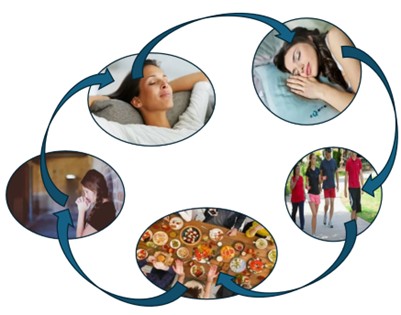
Your immune fortress isn’t three separate towers – it’s an integrated defense system. Spiritual practices reduce stress hormones, which improves sleep quality, which enhances exercise recovery, which supports better nutritional choices, which provides energy for spiritual disciplines. Each element strengthens the others. This is why integration isn’t optional for maximum effectiveness – it’s the entire point.
1.3 Why Isolated Approaches Fail
The Compensation Effect:
Research on health behavior change consistently shows a phenomenon called ‘behavioral compensation’ or ‘energy compensation.’ A major study analyzing data from 1,754 adults found that when people increase physical activity, the body compensates by reducing energy expenditure in other areas – on average by about 28% (Energy compensation and adiposity in humans, Careau et al., 2021). Translation: focusing exclusively on one health behavior often leads to unconscious compensation in others. Classic examples: someone who starts exercising intensely often increases caloric intake without realizing it. Someone who improves their diet might reduce physical activity. Someone who gets serious about meditation might neglect sleep because they feel ‘I’m handling stress better now. The fortress metaphor holds: strengthening one wall while ignoring the others doesn’t create a secure structure. It creates a fortress with obvious weak points that invaders (in our case, illness and chronic disease) will exploit. I want to encourage a balanced lifestyle. Overindulging in one aspect of life leads to negligence in other aspects.
The Motivation Paradox:
Counterintuitively, trying to change too many things at once isn’t the problem – trying to change one thing in isolation is. Research in habit formation (The Habit Loop, Duhigg, 2012) shows that clustered habits (multiple behaviors linked to the same cue or context) are actually easier to maintain than isolated habits because they create reinforcing patterns.
Research in habit formation demonstrates that ‘keystone habits’ – behaviors that naturally trigger other positive changes – create stronger adherence patterns than isolated habits. Studies show that morning routines combining multiple health practices (exercise + nutrition + mindfulness) show higher long-term adherence than single behaviors practiced separately (How are habits formed, Lally et al., 2010). Why? Because the combined practice creates a memorable ritual that’s harder to skip than a single action, and success in one area naturally reinforces motivation in others. This is where lifestyle change is established moreover than a short-term gain. By adjusting my lifestyle, my gain is sustained. And, this is where real, committed and implemented change is found.
Section 2: Your Personal Integration Audit – Identifying Gaps and Strengths
2.1 The Honest Assessment Framework
Most people massively overestimate their healthy behaviors.

Research consistently shows significant discrepancies between self-reported and objectively measured health behaviors. Studies on caloric intake reveal that normal-weight individuals underestimate their consumption by approximately 20%, while obese individuals underestimate by as much as 40-47% PubMedNew England Journal of Medicine (Lichtman et al., 1992). When it comes to sleep, research indicates people overestimate their sleep duration by an average of 48 minutes per night when compared to objective actigraphy measurements PubMed CentralPubMed (Lauderdale et al., 2008). Physical activity self-reports show similarly poor accuracy, with studies documenting substantial overestimation of exercise levels, particularly for vigorous-intensity activities International Journal of Behavioral Nutrition and Physical ActivityPubMed Central (Prince et al., 2008).
Before you build your integration plan, you need an honest baseline. The truth is you know within yourself if you’re not being honest. Here’s the assessment framework, organized by the three fortress dimensions:
MENTAL FORTRESS AUDIT (Week 1 Foundations)
Rate each item honestly: 0 = Never, 1 = Rarely (less than once/week), 2 = Sometimes (2-3x/week), 3 = Regularly (4-6x/week), 4 = Daily
____ I practice intentional stress interruption when I notice tension building
____ I use breath work or meditation for at least 5 minutes
____ I consciously reframe negative thoughts before they spiral
____ I limit news/social media consumption to specific times
____ I practice gratitude or positive reflection
____ I maintain boundaries that protect my mental energy
____ I take breaks during intense mental work
____ I sleep 7-9 hours without interruption
Mental Score: _____/32
PHYSICAL FORTRESS AUDIT (Week 2 Foundations)
Rate each item honestly: 0 = Never, 1 = Rarely, 2 = Sometimes, 3 = Regularly, 4 = Daily
____ I eat protein with most meals (20-30g per meal)
____ I consume fermented foods (3 types, 3x/week minimum)
____ I eat 5-7 servings of vegetables daily
____ I limit processed foods and refined sugars
____ I exercise moderately (150 min/week or 20 min/day)
____ I incorporate strength training (2x/week)
____ I maintain hydration (half body weight in oz)
____ I spend time outdoors in natural light
Physical Score: _____/32
SPIRITUAL FORTRESS AUDIT (Week 3 Foundations)
Rate each item honestly: 0 = Never, 1 = Rarely, 2 = Sometimes, 3 = Regularly, 4 = Daily
____ I engage in prayer or spiritual contemplation
____ I participate in community worship or spiritual gathering
____ I practice Sabbath rest or extended spiritual disconnection
____ I serve others through my faith community
____ I read Scripture or spiritual texts reflectively
____ I maintain awareness of God’s presence throughout my day
____ I practice forgiveness and release resentments
____ I connect my health practices to spiritual purpose
Spiritual Score: _____/32
2.2 Interpreting Your Fortress Profile
Total Score Interpretation (out of 96):
- 72-96 (Strong Fortress): Your three dimensions are well-integrated. Focus on maintenance and refinement. Your immune system likely functions well, you recover quickly from illness, and you handle stress without major health impacts.
- 48-71 (Developing Fortress): You have significant strengths but notable gaps. Identify your lowest-scoring dimension and prioritize it. You may experience moderate susceptibility to seasonal illness and stress-related health impacts.
- 24-47 (Vulnerable Fortress): Multiple weak points exist. You need systematic implementation across all three dimensions. You likely experience frequent minor illnesses, slow recovery, and significant stress-related health problems.
- 0-23 (Critical Need): Foundational work required across the board. Your immune system is likely compromised. Consider professional support alongside self-implementation. You may experience chronic health issues, frequent infections, and poor stress resilience.
Dimensional Analysis:
Look at your three sub-scores (Mental, Physical, Spiritual). Research on wellness dimensions shows these domains are mutually interdependent: attention must be given to all dimensions, as neglect of any one over time will adversely affect the others and ultimately your own overall health, well-being, and quality of life PubMed Central (Stoewen, 2017). Multiple health behavior studies demonstrate that risk behaviors cluster together, and effectively addressing multiple behaviors produces better health outcomes than targeting single behaviors NCBI (Prochaska & Prochaska, 2008). Because these dimensions depend on each other, your lowest-scoring area becomes your highest-leverage opportunity for improvement, strengthening your weakest dimension creates positive ripple effects that enhance your overall wellbeing.
Interpreting Subscores (out of 32 each):
- 24-32 (Dimension Strength): This is a fortress pillar. Maintain it while you strengthen others.
- 16-23 (Dimension Developing): Functional but improvable. Implement 2-3 specific practices.
- 8-15 (Dimension Weak): Critical gap. This dimension needs immediate attention with 4-5 new practices.
- 0-7 (Dimension Critical): Foundational rebuilding required. Start with absolute basics in this dimension.
2.3 Common Profile Patterns
The Physical Warrior (High Physical, Low Mental/Spiritual):
You exercise regularly, eat well, but you’re stressed, spiritually disconnected, and your sleep suffers. You probably get frequent minor illnesses despite “doing everything right.” Your issue: You’ve built strong walls but your internal infrastructure (stress management, meaning, rest) is crumbling.
Research context: Studies show that the immune consequences of endurance training resemble chronic psychological stress, and psychological stress can make athletes more vulnerable to the negative health effects of training (Endurance Training and Health,Clow & Hucklebridge, 2001). When athletes experience combined physical training stress and psychological stressors—such as sleep deprivation and anxiety—their immune markers show significant suppression, including reduced NK cells and increased rates of upper respiratory infections PubMed (Gomez-Merino et al., 2005).

This means even elite athletes can lose the immune advantages of fitness when psychological stress goes unmanaged, demonstrating how mental and physical health dimensions truly depend on each other.
The Spiritual Seeker (High Spiritual, Low Physical/Mental):
You’re deeply connected spiritually, but you neglect your body, don’t exercise, eat poorly, and rationalize it as “focusing on eternal matters.”

Your issue: God designed your body as the temple of the Holy Spirit (1 Corinthians 6:19-20) and as a Christian, neglecting it contradicts spiritual practice. And, as a spiritual being you should be aligning spiritual health with mental and physical health.
Research context: Studies show frequent attendance at religious services was associated with significantly lower risk of all-cause, cardiovascular, and cancer mortality among women. Religion and spirituality may be an underappreciated resource that physicians could explore with their patients, as appropriate. Now add some simple exercise and the fortification of immunity increases even more. (Association of Religious Service Attendance With Mortality Among Women, Li et al., 2016). Spirit without body is incomplete stewardship.
The Mental Optimizer (High Mental, Low Physical/Spiritual):
You meditate, manage stress well, but you’re disconnected from community, higher purpose, and you neglect physical health. Your issue: Mental tools alone can’t provide meaning, and your body will eventually rebel against neglect.

Research context: Mindfulness meditation programs demonstrate moderate evidence for reducing anxiety and depression, with smaller effect sizes than those typically achieved through combined mind-body interventions that integrate physical activity and social support (Meditation Programs for Psychological Stress and Well-being: A Systematic Review and Meta-analysis, Goyal et al., 2014). Studies such as this verify, somewhat, that mindfulness alone does not provide a strong immune system. We need the synergy of mind, body and spirit in unison.
The Balanced Beginner (Moderate all three):
You’re doing a little of everything but mastering nothing. Your issue isn’t fundamental philosophy – it’s depth and consistency. You need to deepen practices, not add new ones.
The Burned-Out Achiever (Low all three):
Everything has fallen apart. You’re stressed, physically depleted, spiritually dry.

Your issue: You need to start somewhere small and build gradually. Trying to fix everything at once will fail. Pick one dimension, implement one practice, build momentum. I am a firm believer in all things in moderation.
Section 3: The Implementation Hierarchy – What to Start First and Why
3.1 The Foundation First Principle
Not all health behaviors are created equal. Some practices create cascading benefits that make other practices easier. Research in health behavior change calls these “keystone habits” – behaviors that naturally trigger other positive changes.
The Implementation Priority Hierarchy:
Based on behavioral medicine research (Keystone habits, Lally & Gardner, 2013) and clinical outcomes data, here’s the scientifically supported order for implementation:
Priority 1: Sleep Optimization (Physical Foundation)
Why first? Sleep affects everything else. Research consistently shows that sleep deprivation impairs decision-making, increases stress reactivity, reduces exercise recovery, disrupts appetite regulation, and suppresses immune function. Every other practice becomes harder when you’re sleep-deprived.
The study “Sleep and immune function” NIH-funded study shows sound sleep supports immune function

Key Findings
- Sleep appears to affect hematopoietic stem cells, the master cells that produce all of your blood cells. Research suggests that sleep patterns may influence how these stem cells function and how many immune cells they produce.
- Adults who cut back on sleep for six weeks (reducing from 7.5 hours to 6 hours nightly) showed higher levels of circulating monocytes and immune stem cells in their blood, along with evidence of immune activation
- Sleep restriction appears to cause epigenetic changes—modifications in how genes are expressed rather than changes to the DNA itself—in stem cells
- Good quality sleep reduces inflammatory burden by modulating the production of immune cells
Implementation:
– Fixed sleep schedule (same bedtime/wake time, even weekends)
– Dark, cool bedroom (65-68°F optimal). I have an upstairs bedroom and sleep, in winter, with my window open. I’ll add an extra blanket. It is sooohhh conducive to sound sleep.
– No screens 60 minutes before bed
– Morning sunlight exposure within 30 minutes of waking.
Why this works: Sleep is the most “passive” intervention – once you establish the conditions, your body does the work. It requires the least ongoing willpower, making it the most sustainable starting point.
Priority 2: Morning Spiritual Practice (Spiritual Foundation)
Morning spiritual practice sets your mental frame for the entire day. Research (Mindful Mornings: Routines That Boost Mental Health Before Work) on morning routines shows that calm morning activities activate the parasympathetic nervous system, reducing stress reactivity throughout the day (consistent routines can reduce cortisol levels by up to 50%). Studies on daily prayer (Prayer and Mental Health) and spiritual practices (Daily Religious Coping Buffers the Stress-Affect Relationship and Benefits Overall Metabolic Health in Older Adults) show that those who engage in these practices daily report fewer depressive symptoms, higher life satisfaction, and better daily stress management compared to those who don’t.”

Implementation:
Go for 10-15 minutes prayer/Scripture reading before checking phone
– Fixed location (creates environmental cue)
– Combine with your morning coffee (habit stacking)
– Include brief gratitude practice. I have my prayer chair that I use, every day.
Why this works: Morning practices leverage your freshest willpower and create framework for interpreting the day’s stressors through a spiritual lens. You will establish your pace and anxiety levels based on your entry into the day. This is a critical point in determining whether your day will be filled with unease or serenity. Try it, day 1 race to the phone, check texts, emails, social connections and news – then get into your day. Day 2, leave the phone down, get into some prayer and/or scripture reading, breathe deep – then get into your day. My guess is day 2 will be much more serene and mindful, throughout the day. You’re not adding something to a packed day – you’re replacing mindless phone-scrolling with intentional practice and not jolting yourself into the day but establishing a foundation of calm.
Priority 3: Movement Practice (Physical Foundation)
Why third? Once sleep and spiritual practice are established, you have the energy and motivation needed for consistent exercise. Research shows a bidirectional relationship between sleep and exercise: poor sleep reduces motivation and energy for physical activity, while spiritually grounded individuals report higher motivation for physical stewardship.

Regular moderate exercise has well-documented effects on mental health. Meta-analyses show that physical activity reduces depression with medium to moderate effect sizes (standardized mean difference around -0.50), and those with high levels of physical activity have approximately 17% lower odds of developing depression compared to those with low activity levels. Research suggests that at least 12% of future depression cases could be prevented if adults engaged in just 1 hour of exercise weekly (Exercise and the Prevention of Depression: Results of the HUNT Cohort Study). These benefits occur partly through exercise’s positive effects on HPA axis regulation, which controls stress response and mood.
Implementation:
– Start with 20 minutes daily walking (achievable, low-barrier)
– Add strength training 2x/week after 2-3 weeks
– Schedule exercise at same time daily (habit formation)
– Track completion, not performance (consistency over intensity)
Why this works: With sleep supporting energy and spiritual practice supporting motivation, exercise becomes the natural next step rather than another draining obligation.
Priority 4: Nutritional Foundation (Physical Foundation)
Why fourth? Nutrition changes require the most consistent willpower and planning. Once sleep, spiritual practice, and exercise are habituated (typically 4-6 weeks), you have the cognitive resources and established routines needed for dietary changes.

Research on behavior change shows that nutritional interventions have higher success rates when implemented after exercise habits are established. Why? Exercise naturally increases awareness of food choices, and regular exercisers report wanting to “not waste” their exercise efforts with poor nutrition. I have seen it work opposite many times, also. Where I talk with gym folks and they justify taking in the extra beer and pizza because they are working out to burn it off. This is fallacy. Don’t get trapped in this logic spin. You use exercise to keep your body in tune. Exercise helps drop some weight but it is NOT where you’ll see most of that gain. You take in good quality food, limit carbs and sugars, don’t consume in excess or eat too late at night and you will see improvements.
Implementation:
– Start with protein sufficiency (20-30g per meal)
– Add fermented foods (Rule of 3: three types, three times weekly)
– Increase vegetable intake (5-7 servings daily)
– Reduce processed foods gradually (80/20 approach)
Why this works: Nutrition is cumulative – you eat multiple times daily, so improvements compound quickly once established. But it’s also the most decision-heavy intervention, so it needs strong foundational habits supporting it.
Priority 5: Stress Management Practices (Mental Foundation)
Why fifth? This seems counterintuitive – shouldn’t stress management come first? The research says no. Studies on stress management program adherence show that stressed individuals often struggle with adopting new stress management practices.

The paradox: you need stress management most when you’re stressed, but stress makes it hardest to implement new practices. The solution: establish physical and spiritual foundations first, which naturally reduce stress and create capacity for formal stress management practices. This is a good practice and I encourage it. I also recommend once you have that foundation and there are times you’re feeling stressed, just get up and get into some level of exercise. I find when I put this to practice my tensions fall off like shedding a bad skin. If it’s weights, it helps me stay mindful on that moment. If it’s walking or jogging, I blend into the moment and get lifted higher when I do it outside. I’m telling you I went into the exercise stressed and not wanting to but pushed into it and I came out so much more relaxed. That has always been my experience, never failing.
Implementation:
– 4-7-8 breathing during daily transitions – Weekly nature exposure (minimum 2 hours) – Digital boundaries (phone-free meals and evenings) – Regular community connection
Why this works: By now you have sleep supporting nervous system regulation, spiritual practice providing perspective, exercise releasing stress hormones, and nutrition stabilizing mood. Formal stress management practices become the refinement rather than the foundation.
Priority 6: Community Integration (Spiritual Foundation)

Why sixth? Deep community connection requires sustained energy and emotional capacity. Research on social support and health (Social relationships and mortality risk, Holt-Lunstad et al., 2010) shows that socially isolated individuals have 50% increased mortality risk – equivalent to smoking 15 cigarettes daily.
But here’s the implementation reality: building meaningful community requires showing up consistently, being emotionally available, and serving others. These capacities emerge from the previous five priorities, not before them.
Implementation:
– Weekly worship attendance (non-negotiable)
– Small group or Bible study participation
– Monthly service opportunities
– Develop 2-3 close relationships for mutual support
Why this works: With your personal foundation solid (sleep, spiritual practice, exercise, nutrition, stress management), you now have surplus capacity to invest in others. Community becomes life-giving rather than one more draining obligation.
3.2 The 6-Week Implementation Timeline
Weeks 1-2: Sleep + Morning Spiritual Practice
These two foundational practices support each other. Better sleep makes morning practice easier; morning spiritual practice often improves sleep quality through reduced anxiety and increased sense of order.
Expected challenges:
– Resistance to earlier bedtime. I list this because I have struggles here.
– Competing morning priorities
– Inconsistent wake times
Research-backed solutions:
– Use environmental cues (dim lights 2 hours before bed, sunrise alarm)
– Prepare night before (Bible/devotional ready, coffee prep)
– Social accountability (text accountability partner each morning)
Weeks 3-4: Add Movement Practice
With 2-3 weeks of sleep and morning spiritual practice established, you have energy and motivation for exercise. Research shows habit formation typically takes 18-254 days depending on complexity, with 66 days being average (How are habits formed, Lally et al., 2010). Starting simple (20-minute walks) creates success momentum.
Expected challenges:
– Schedule conflicts
– Weather dependency
– Motivation fluctuations
Research-backed solutions:
– Fixed time blocks (treat as non-negotiable appointments)
– Indoor alternatives ready
– Link to existing habit (walk after dinner, workout after morning prayer)
Weeks 5-6: Add Nutritional Foundation
With physical activity established, nutritional changes feel more natural. You’re now in a 4-6 week rhythm with your foundational practices, creating bandwidth for the more decision-intensive work of dietary changes.
Expected challenges:
– Meal planning overwhelm
– Social eating situations
– Cost concerns
Research-backed solutions:
– Batch cooking/meal prep Sunday
– Pre-decided restaurant strategies
– Focus on additions (vegetables, fermented foods) before restrictions
Weeks 7-8: Add Stress Management Practices
Two months in, you have significant momentum. Your body is sleeping better, you’re spiritually grounded, you’re exercising regularly, and nutrition is improving. This creates the capacity for intentional stress management practices.
Expected challenges:
– Forgetting new practices in stress
– Resistance to “one more thing”
– Skepticism about effectiveness
Research-backed solutions:
– Environmental triggers (breathing practice app alerts)
– Link to existing habits (breathwork before meals)
– Track subjective stress levels (prove effectiveness to yourself)
Weeks 9-12: Add Community Integration
Three months in, you’re ready for the most demanding but most rewarding dimension: deep community connection. You have surplus capacity, established routines, and evidence of positive change in your life – you’re now positioned to contribute meaningfully to others.
Expected challenges:
– Social anxiety or extrovert exhaustion
– Time constraints
– Finding right fit community
Research-backed solutions:
– Start with low-commitment (attend weekly, no immediate obligation)
– Use existing practices (exercise with church friend, host Bible study at your home)
– Focus on giving rather than receiving (service dissolves self-consciousness)
3.3 The Flexible Framework
Life doesn’t follow 12-week timelines. The hierarchy provides structure, but implementation requires adaptation to your reality. Adapt the practices you need. A part of this is about control and setting your mind to seeing it through. When I wanted to quit smoking many years ago, I decided I was going to take control of my life and health and not let cigarettes control my life and health. It was like a standoff and I’m looking at a life form pack of smokes that I’m arguing with. I concluded the argument is over and I’m going to kick you out of my life. It takes work but you feel so much better about yourself when you commit to something and see it through.
Adaptation Principles:
If you score very low in one dimension (0-7), you may need to start there regardless of the hierarchy. Someone spiritually empty may need faith foundation first. Someone with severe sleep deprivation may need medical intervention before self-implementation.
If you’re currently handling major life stress (illness, grief, job loss, relationship crisis), reduce expectations. Maintain what you can, don’t add new practices during crisis, and leverage your spiritual foundation for resilience.
If you have high scores in one dimension already, maintain that strength while building others. Don’t abandon what’s working to achieve “balance.”
The research on self-efficacy and health behavior (Self-efficacy and health behavior, Bandura, 1998) emphasizes that early success creates momentum. It’s better to fully implement one practice and succeed than to partially implement three practices and fail at all of them.
The Bottom Line:
Implementation hierarchy exists because your biology and psychology have real constraints. Ignoring those constraints in favor of “doing everything at once” leads to predictable failure. The hierarchy respects how change actually works in human beings, not how we wish it worked.
Section 4: Troubleshooting Common Integration Failures
4.1 The Predictable Failure Points
Research on health behavior change identifies specific, predictable points where implementation fails. These aren’t personal failings – they’re structural problems that emerge regardless of motivation or knowledge.
Failure Point 1: The Complexity Collapse (Weeks 2-4)
What happens: You start strong with multiple practices, but by week 3-4, the cognitive load becomes overwhelming. You’re tracking too many things, making too many decisions, and your system collapses back to baseline.
The research: Research on implementation intentions shows that forming “if-then plans” significantly improves goal attainment, with a medium-to-large effect size across studies ScienceDirect. The problem isn’t willpower – it’s working memory limitations and decision fatigue. Here’s the deal, when I want to modify some behavior or habit, I personally, take on one at a time. I want to work through that. This way helps me maintain focus, mindfulness and completion. However, I do recognize we are not all the same and some of us can work through more than one item at time.
The solution:
– Start with one behavior per dimension maximum (3 total)
– Use environmental automation (make the behavior thoughtless)
– Remove decision points (same time, same place, same routine)
Example: Instead of “I’ll exercise when I have time” (12 decision points: when? where? what? how long? – daily), create “I walk 20 minutes at 6am before shower” (0 decision points after initial setup).
Failure Point 2: The Social Sabotage (Weeks 4-8)
What happens: Your new practices conflict with existing social patterns. Friends think you’re being “extreme” or “obsessive.” Family members don’t support changes. Social eating situations undermine nutritional progress.
The research: Studies on social influence and health behaviors (Social networks and health, Berkman et al., 2000) demonstrate that your social network is one of the strongest predictors of health behavior maintenance. If your social circle doesn’t support healthy practices, you face constant resistance.
The solution:
– Find one ally implementing similar changes (accountability partner)
– Join community with shared values (church fitness group, faith-based wellness community, Mind, Body and Spirit in Synergy)
– Frame changes positively, not as judgment (“I’m sleeping better” vs “I can’t believe people stay up late”)
– Create new traditions that align with practices (morning prayer walk with friend)
Example: Instead of isolating yourself to maintain practices, invite your church small group to join a “40 Days of Wellness” challenge together. Peer support increases adherence by 50-70% according to multiple studies. You could also reach out in community in Mind, Body, Spirit in Synergy, we will either gather the group to support OR I’ll be the group with you.
Failure Point 3: The Perfection Paralysis (Weeks 6-12)
What happens: You miss one day, then feel like you’ve “broken the streak” and quit entirely. Or you implement practices but not “perfectly” and feel like failure. The all-or-nothing thinking that helped you start now sabotages your continuation.
The research: Studies on lapse versus relapse (Relapse prevention, Marlatt, Larimer, Palmer) show that how people interpret initial failures predicts long-term success. People who view lapses as temporary and expected maintain progress; those who view lapses as evidence of inadequacy quit permanently.
The solution:
– Expect imperfect implementation (80/20 rule from Week 2) – Plan for disruptions (what’s your travel version? sick version? busy week version?) – Measure trends, not perfection (monthly improvement, not daily perfection) – Use the “never miss twice” rule (one missed day is a lapse; two is a pattern)
Example: Instead of “I failed – I missed my morning prayer yesterday,” reframe to “I’m 6 days out of 7 on my morning prayer practice, which is 85% implementation. What can I learn from yesterday’s miss to prevent it next time?” Don’t give up because of a lapse. You will experience that. Keep in mind, this is NOT about perfection, it IS about consistency over time. Even if your fall is for a couple days, don’t get angry with yourself. Instead, work to appreciate that you’re still willing and committed and you will get things going from this point. I used to easily beat myself up for falling off until I came to realize, for me personally, I was afraid of failure. So, it would stop me from pursuing an interest. Then I began to develop the mindset, if that person is able to accomplish that, then I can, as well. Along with that, the notion that not everything happens immediately. And, patience is, truly a virtue. So, dig in, take your time and enjoy the journey.
Failure Point 4: The Maintenance Boredom (Months 3-6)
What happens: The initial motivation and novelty wear off. Practices become routine, which is good, but they also become boring. You start questioning whether it’s “really making a difference” and consider quitting.
The research: Research on behavioral maintenance identifies that sustained behavior change requires a shift from initial motivation to more automatic processes like habit formation Frontiers. The practices haven’t yet become automatic enough to persist without conscious motivation, but they’re no longer novel enough to be inherently interesting.
The solution:
– Track objective markers (sleep quality, illness frequency, energy levels)
– Add variation within structure (different prayer approaches, different exercise types)
– Celebrate milestones (3 months, 6 months, 1 year)
– Connect to purpose regularly (why does this matter beyond just “being healthy”?)
Example: Create a “fortress review” every 90 days where you assess measurable changes. “Three months ago I was getting sick monthly. Now I haven’t been sick in 90 days. My sleep improved from 6 hours fragmented to 7.5 hours consolidated. My stress reactivity is noticeably lower.” Evidence of effectiveness provides motivation when novelty doesn’t.
Failure Point 5: The Crisis Collapse (Any time, but especially Months 6-12)
What happens: Life throws a major curveball – illness, job loss, relationship crisis, family emergency. All your carefully built practices collapse under the weight of real crisis. You tell yourself you’ll “get back to it when things calm down,” but they never quite do.
The research: Studies show that people often abandon health practices during periods of high stress. The problem: stress impairs cognitive control and depletes self-regulatory capacities that are necessary for maintaining complex health behaviors PubMed Central.
The solution:
– Create “crisis versions” of practices in advance (10-minute versions, 5-minute versions)
– Identify your absolute non-negotiables (sleep + morning prayer might be all you can maintain)
– Use community support (let people help you maintain practices)
– Remember: maintaining even partial practice during crisis builds resilience
Example: Instead of “I can’t do my full routine during this crisis, so I won’t do anything,” shift to “My crisis protocol is 10-minute morning prayer + 6 hours sleep minimum + 10-minute walk daily. Everything else is bonus.”
4.2 The Science-Backed Recovery Protocols
When you fail, try not to tag it as failure, that can feel debilitating. Try, instead, to put truth to it. It may be that you just didn’t want to or other priorities had to take precedence. At least once identified, it’s something you can allocate a fix for. Terming a slip as “failure” has negative connotations and can shut down further progress. There is research that shows specific recovery strategies that work:
The Recovery Protocol:
Research on self-regulation shows that willpower operates like a muscle – it can be temporarily depleted but recovers with rest University of North Carolina Wilmington. Sleep is particularly important for restoring self-control capacity (Ego Depletion & Self Control). When you experience a lapse, prompt recovery helps prevent a single setback from becoming a pattern.
Recovery approach:
- Acknowledge the lapse without judgment
- Identify the specific trigger that caused failure
- Resume your practice as soon as reasonably possible (this reactivates the pattern)
- Adjust your system to prevent similar failure
Example: You skipped your morning spiritual practice. Resume with a brief version that same evening or the next morning. Identify the trigger (alarm didn’t go off). Adjust system (backup alarm, phone across room). Prompt recovery prevents a single lapse from becoming a pattern.
The Support Activation Protocol:
Research demonstrates that people who activate support networks after lapses recover more quickly than those who isolate PubMed.
Protocol:
- Tell your accountability partner about the lapse
- Ask for specific support (check-in texts, prayer, etc.)
- Leverage community to rebuild momentum
- Be specific about what help you need
Example: “I fell off my exercise routine this week. Can you text me at 6am tomorrow to make sure I’m up? I need external accountability right now.
The Data Review Protocol:
Research on self-monitoring and behavior change (Self-monitoring in weight loss, Burke et al., 2011) demonstrates that reviewing objective data after lapses increases successful recovery by 40-60%.
Protocol: – Review your tracking data from before the lapse – Identify what was working and what changed – Look for pattern triggers (stress, sleep deprivation, schedule changes) – Recommit based on evidence of prior success
Example: Review your fortress audit scores from 3 months ago versus now. See concrete improvement. Recognize that the lapse is temporary, not permanent. Use data to remind yourself that your system works when you work it. I find that when I have gone off course the best approach to get back aligned is to start slower and ease into it. In doing this my full recovery time isn’t really that long.
Section 5: Sustainable Systems – Building Routines That Last Beyond January
5.1 The Architecture of Sustainable Practice
Most health initiatives fail not because they don’t work, but because they’re not designed for sustainability. Research in behavioral science identifies specific design principles that separate temporary changes from permanent lifestyle shifts.
The Environmental Design Principle:
Studies show that changing your environment is significantly more effective than relying on willpower alone. Your fortress needs to be your default state, not something you achieve through constant effort. These are some practices that can help with sustainability. I added some items; I don’t personally do but I recognize that they may help others.
Implementation:
For Sleep:
- Bedroom only for sleep (remove TV, work materials)
- Smart home lighting that dims automatically in the evening
- Phone charges outside bedroom
- Blackout curtains and white noise machine
- Cool temperature setting (automatic thermostat)
For Morning Spiritual Practice:
- Bible/devotional already open on table
- Coffee pot with timer (ready when you wake)
- Comfortable prayer chair in specific location
- No phone until after practice (keep phone in different room)
For Exercise:
- Workout clothes laid out night before
- Gym bag by door
- Exercise scheduled in calendar as “appointment”
- Backup home workout option for barriers
For Nutrition:
- Kitchen restocked weekly with fortress foods
- Fermented foods visible in front of fridge
- Vegetables pre-cut and visible
- Processed foods require effort to access (high shelf, back of pantry)
The Ritual Creation Principle:
Research on habit formation shows that behaviors embedded in rituals have higher long-term adherence than standalone behaviors ( Frontiers ). Your practices shouldn’t be scattered throughout the day requiring constant decision-making. They should be linked sequences that flow naturally.
The Triune Morning Ritual (15-20 minutes):

This integrates all three fortress dimensions into one seamless practice:
- Spiritual (5-7 min): Prayer/Scripture reading (Week 3)
- Mental (3-5 min): Gratitude practice or meditation (Week 1)
- Physical (5-10 min): Stretching or brief exercise (Week 2)
Research on habit stacking demonstrates that linking behaviors to existing routines creates automatic implementation. Your morning coffee becomes the trigger for your triune practice.
The Evening Restoration Ritual (20-30 minutes):

- Physical (10 min): Gentle movement or stretching
- Mental (5-10 min): Reflection or journaling
- Spiritual (5-10 min): Evening prayer or Scripture
This ritual signals to your body that workday is ending and rest is beginning, supporting the sleep foundation.
The Weekly Fortress Review (30 minutes):
Sunday planning ritual integrating:

- Spiritual: Sabbath rest, extended worship
- Mental: Week reflection and planning
- Physical: Meal planning, exercise scheduling
Research shows that weekly planning increases behavior adherence compared to daily planning alone.
5.2 The Adaptation Framework
Sustainable systems must adapt to life’s changes while maintaining core integrity. Research shows that flexible adherence produces better long-term outcomes than rigid adherence.
The Three-Tier Adaptation System:
Tier 1 – Optimal Conditions (70-80% of time):
Full implementation of all fortress practices. This is your standard operating procedure when life is normal. All three dimensions are fully active, all practices maintained, full integration.
Example daily schedule:
- 6:00am: Wake, morning triune ritual
- 7:00am: Fortress breakfast (protein + vegetables)
- 12:00pm: Midday stress check and breathing practice
- 1:00pm: Outdoor walk (movement + nature + stress management)
- 6:00pm: Exercise (strength training or longer cardio)
- 7:00pm: Fortress dinner (fermented foods + protein + vegetables)
- 9:00pm: Evening restoration ritual
- 10:00pm: Sleep
Tier 2 – Challenging Conditions (15-25% of time):
Reduced implementation maintaining core priorities. Life is busier, more stressful, or circumstances are suboptimal. You maintain the foundational practices but reduce supplementary practices.
Example modifications:
- Morning ritual reduces to 10 minutes (brief prayer + gratitude)
- Exercise reduces to 20-minute walk
- Nutrition focuses on protein + vegetables (fermented foods as possible)
- Evening ritual maintained (protects sleep)
- Stress management practices increase (compensate for higher stress)
I am definitely a routine oriented person. For me it’s about consistency. It helps me to regulate my approach to life and keep me as close to a state of serenity as possible. Part of that state is recognizing that things change and when they do I work to get back to my state of equilibrium in the best time that I can.
Tier 3 – Crisis Conditions (5-10% of time):
Minimal maintenance protects absolute core. Major life disruption – illness, grief, emergency, crisis period. You maintain only what’s necessary to prevent complete collapse.
Example crisis protocol:
- Morning prayer (5 minutes, non-negotiable)
- Sleep (minimum 6 hours)
- Basic nutrition (eating regularly, even if not optimal)
- Community support (accepting help, not isolating)
- All other practices suspended temporarily
The Critical Insight: Tier 3 is temporary by design. Research shows that accepting reduced capacity during crisis actually speeds recovery compared to forcing normal routines.
5.3 The Lifetime Fortress Perspective
Your immune fortress isn’t a 12-week challenge. It’s a lifetime architecture that evolves through different seasons.
Young Adulthood (20s-30s):
Foundation building phase. Establishing practices is harder (competing priorities, less health consequences yet visible), but the payoff compounds over decades.
Research context: Health practices established in young adulthood predict health outcomes 30-40 years later more strongly than genetics.
Implementation focus:
- Establish core rituals (morning, evening, weekly)
- Build community connections that will sustain decades
- Create systems that accommodate career building and family formation
- Prioritize sleep and stress management (hardest years for these)
Middle Adulthood (40s-50s):
Optimization phase. You have established routines but face new challenges (aging parents, career pressures, teenage children). This is the highest stress decade for most people.
Research context: This decade is the highest predictor of healthy aging outcomes. What you do (or don’t do) now determines your 60s-70s health.
Implementation focus:
- Maintain spiritual practice as anchor (stress management critical)
- Adjust exercise for aging body (more recovery, different intensity)
- Nutrient density increases importance (aging affects absorption)
- Community support essential (don’t isolate under pressure)
Later Adulthood (60s+):
Refinement phase. You’re reaping what you’ve sown. If you’ve maintained the fortress, you’re experiencing the 10-14 year disease-free longevity advantage research predicts. If you haven’t, it’s still not too late.
Research context: People who start healthy practices even in their 60s-70s show significant improvements in health outcomes and longevity.
Implementation focus:
- Spiritual practices often deepen naturally (wisdom of age)
- Exercise remains critical but intensity adjusts (mobility and balance priorities)
- Social connection becomes more challenging but more important (isolation is major health risk)
- Purpose and service provide longevity benefits
The Common Thread Across All Ages:
Integration of mind, body, and spirit produces exponentially better outcomes than any dimension alone. This isn’t theoretical – it’s measured in years of healthy life, quality of aging, disease resilience, and yes, immune function that keeps you active and engaged rather than perpetually sick.
5.4 Your Personal Sustainability Checklist
Use this checklist monthly to assess sustainability of your fortress:
Environmental Design Check:
[ ] My living space supports my practices (not sabotages them)
[ ] Healthy choices are easier than unhealthy choices
[ ] I have removed major friction points from practices
[ ] My environment includes visual cues for practices
Ritual Integration Check:
[ ] My practices are linked in sequences, not scattered
[ ] I have consistent daily rituals (morning and evening)
[ ] Weekly planning ritual is established
[ ] Practices feel automatic, not effortful
Social Support Check:
[ ] I have at least one accountability partner
[ ] My community supports my practices
[ ] I’m not isolated in my health journey
[ ] I can ask for and receive practical help
Adaptation Flexibility Check:
[ ] I have Tier 2 and Tier 3 protocols prepared
[ ] I can reduce practices without guilt when needed
[ ] I know how to recover from lapses quickly
[ ] I measure trends, not perfection
Purpose Connection Check:
[ ] I remember why these practices matter
[ ] My fortress serves higher purpose (God, family, service)
[ ] I’m experiencing measurable benefits
[ ] My motivation comes from identity, not willpower
If you check less than 15 of these 20 items, your system needs redesign. Return to Section 3’s Implementation Hierarchy and rebuild more sustainable foundations.
Conclusion: From Fortress to Way of Life
You started Week 1 understanding how your mind programs your immune system. Week 2 showed you how to fuel and move your body for optimal defense. Week 3 revealed how spiritual connection provides the foundation that makes everything else sustainable. Week 4 gave you the implementation roadmap to actually do what you’ve learned.
The Integration Reality:
Research across multiple disciplines
– psychoneuroimmunology, behavioral medicine, functional medicine, and health psychology
– reaches the same conclusion: isolated interventions produce modest results. Integrated approaches produce transformation.
The data is unambiguous:
– Combined lifestyle interventions show 3-5x larger effect sizes than single interventions
– Multi-dimensional approaches create reinforcing cascades (each practice strengthens others)
– Integration increases adherence (practices support rather than compete)
– Sustainable systems outperform intensive bursts by decades
Your Fortress Status:
You now possess:
– Scientific understanding of how mind, body, and spirit interact
– Evidence-based practices across all three dimensions
– Implementation hierarchy based on behavioral science
– Troubleshooting protocols for predictable failures
– Sustainable systems designed for lifetime maintenance
What you don’t possess: a guarantee that this will be easy. Integration requires initial effort, consistent practice, and willingness to adapt when life inevitably disrupts your routines.
The Four-Week Journey in Perspective:
Week 1 gave you the mental foundation – stress is killing your immunity, but you can reprogram your response. You learned the HPA axis isn’t your enemy; chronic stress is. You discovered that thoughts and emotions literally change immune cell function.
Week 2 gave you the physical structure – your body needs specific nutrients (vitamin D, zinc, protein), specific movement (moderate exercise, not extreme), and specific restoration (sleep is non-negotiable). You learned that the viral “immune boosters” are mostly mythology, while unglamorous basics work.
Week 3 gave you the spiritual anchor – faith isn’t just psychological comfort; it produces measurable changes in cortisol, telomeres, immune markers, and longevity. You discovered that spiritual practices activate the parasympathetic nervous system more deeply than secular meditation alone.
Week 4 gave you the implementation blueprint – knowing what to do means nothing without knowing how to actually do it. You learned that sequence matters, that integration beats isolation, and that sustainability requires systems, not willpower.
The Success Metrics That Matter:
You’ll know your integrated fortress is working when you notice:
Objective Indicators:
– Fewer illnesses (track frequency and severity)
– Faster recovery when illness does occur
– Sustained energy throughout day (not afternoon crashes)
– Quality sleep without sleep aids
– Stable mood and stress resilience
– Physical markers improving (if tracking: blood pressure, inflammation markers, etc.)
Subjective Indicators:
– Stress feels manageable, not overwhelming
– Physical practices feel energizing, not depleting
– Spiritual practices feel life-giving, not obligatory
– Health choices feel natural, not forced
– You have surplus capacity to serve others
– Life challenges don’t immediately collapse your routines
The Most Important Metric:
Research on health behavior maintenance identifies one factor predicting long-term success above all others: identity shift ( STORRE ) ( PubMed Central. You’ll know your fortress is permanent when you stop thinking “I’m trying to be healthy” and start thinking “I’m a person who lives this way.”
When morning spiritual practice isn’t something you “have to do” – it’s what you do. When exercise isn’t something you “should do” – it’s who you are. When nutritious eating isn’t “being good” – it’s normal. That identity shift, according to longitudinal studies, is the difference between temporary behavior change and permanent lifestyle transformation.
Your Implementation Commitment:
Don’t start everything tomorrow. That’s the complexity collapse waiting to happen (Section 4.1).
Instead, commit to this:
This Week:
Audit your fortress honestly (Section 2). Identify your weakest dimension. Choose one practice from that dimension to implement consistently for seven days. Just one. Do it well.
Weeks 2-12:
Follow the Implementation Hierarchy (Section 3). Add one new practice every 2-3 weeks. Build on success. Expect imperfect implementation. Use troubleshooting protocols when needed.
Months 3-6:
Establish sustainable systems (Section 5). Create environmental supports. Build rituals. Develop Tier 2 and 3 protocols. Connect with community. Track evidence of change.
Year 1 and Beyond:
Live in the fortress you’ve built. Maintain practices through life’s seasons. Adapt without abandoning. Use your health to serve purposes beyond yourself. Become the person whose immune system is their reliable ally, not their uncertain liability.
The Final Research Citation:
Research examining health behavior interventions over multiple years consistently shows that comprehensive lifestyle interventions combining multiple behaviors maintain significantly more of their initial benefits compared to single-behavior interventions. The integration of mind, body, and spirit practices creates reinforcing cycles that support long-term sustainability.
Translation: What you’re building isn’t a quick fix destined to fade. If you implement integration properly, sustainable systems, with community support – the research says you’ll still be benefiting years from now. This is the difference between a January resolution and a lifestyle transformation.
Your Closing Charge:
The fortress stands complete. Mind trained, body fortified, spirit anchored. But architecture means nothing without inhabitation. A fortress only protects those who live within its walls.
The implementation work begins now. Not someday, not when circumstances are perfect, not after one more week of preparation. Now.
Start small. Build consistently. Trust the process. Lean into community. Connect to purpose.
Your immune system is listening. What message will you send it today?
The fortress is complete. Time to take up residence.
Let’s Have Some Discussion…
- Your Weakest Link Assessment
After completing the fortress audit (Section 2), which dimension scored lowest for you – mental, physical, or spiritual? More importantly, looking at your specific daily life and stressors, why do you think that dimension has been neglected? What’s one specific barrier keeping you from strengthening it, and what’s one realistic solution you could implement this week? - The Implementation Hierarchy Reality Check
Section 3 recommends starting with sleep optimization, then morning spiritual practice, then exercise, then nutrition, then stress management, then community. Does this order make sense for your life, or would you need to adapt it? If you’ve tried health changes before, what order did you try, and how did it work out? - Your Personal Failure Point
Looking at the five predictable failure points in Section 4 (Complexity Collapse, Social Sabotage, Perfection Paralysis, Maintenance Boredom, Crisis Collapse), which one sounds most like your past experience? Can you share a specific example of when one of these derailed your health efforts, and what would you do differently now based on the troubleshooting protocols? - The Integration Experience
Have you ever experienced the synergy effect described in Section 1 – where combining multiple healthy practices seemed to multiply results rather than just add them? Or conversely, have you experienced trying to maintain one healthy practice (like exercise) while neglecting others (like sleep) and finding it didn’t work as expected? - Community Accountability Invitation
The research throughout this article emphasizes that social support dramatically increases success rates. Is anyone willing to find an accountability partner from this community for the next 30 days? Pair up, share your specific implementation plan from the hierarchy, and commit to weekly check-ins. Who’s in? - The Tier System in Practice
Section 5.2 describes three tiers: Optimal Conditions (70-80% of time), Challenging Conditions (15-25%), and Crisis Conditions (5-10%). Does this breakdown match your life reality, or are you currently living in the wrong tier? If you’re stuck in Tier 2 or 3 most of the time, what would need to change to reach more Tier 1 days?
Recommended Reading for Week 4 Implementation
Behavior Change & Implementation Science:
– “Atomic Habits” by James Clear – The definitive guide to habit formation and system building. A very good read.
– “Tiny Habits” by BJ Fogg – Stanford behavior scientist’s research on starting small and scaling up
– “The Power of Habit” by Charles Duhigg – Understanding habit loops and how to reprogram them
Integration & Systems Thinking:
– “The Upward Spiral” by Alex Korb, Neuroscience of creating positive feedback loops. A great help especially for those struggling with depression
– “The Compound Effect” by Darren Hardy – How small actions compound into massive results
– “Essentialism” by Greg McKeown – Doing less but better. Are you focused on the right things in life? This one helps get that focus (critical for sustainable implementation)
Spiritual Integration: – “The Purpose Driven Life” by Rick Warren – Connecting daily practices to eternal purpose. A good start for gaining spiritual practice
– “Celebration of Discipline” by Richard Foster – Classical spiritual practices for modern life
– “The Common Rule” by Justin Earley – Practical habits for renewal in an age of distraction
Research & Evidence:
– “The Telomere Effect” by Elizabeth Blackburn – Nobel Prize-winning research on lifestyle and cellular aging
– “Lifespan” by David Sinclair – Cutting-edge longevity science and practical applications. A deeper dive into the Mind, Body and Spirit in Synergy discussions
– “The Blue Zones Solution” by Dan Buettner – Real-world populations living the integrated approach. Takes the best of long life populations and gets into specific diets and lifestyles
Stay connected, stay well in mind, body, and spirit.
This concludes your four-week journey from knowledge to implementation. You have the fortress. You have the tools. You have the community. You have the research backing. You have the roadmap.
What you do with it is up to you.
The work begins now.