Evidence-Based Holistic Protocol for Type 2 Diabetes Reversal
A comprehensive, research-backed approach to achieving diabetes remission through mind-body-spirit integration
- Introduction
- The Science of Diabetes Reversal
- Foundation – Dietary Intervention
- The Power of Natural Compounds
- Exercise the Non-negotiable Component
- Stress Management and Sleep
- Comprehensive Supplement Protocol
- Expected Timeline & Monitoring
- Drug Interactions & Contraindications
- Who Should Avoid This Protocol
- Working With Your Healthcare Provider
- Gradual Introduction Strategy
- Quality Supplement Selection
- Dietary Supplement Combinations to Avoid
- Special Populations
- Conclusion
Introduction
I have come across several friends that have developed complications from diabetes. This affliction has impacted approximately 10.5% of the general populace. Type 2 diabetes accounts for about 90% of all cases.
I felt compelled to help here where I can to at least provide a protocol that would help to get people off of clinical medications and into a more holistic cure. I need to iterate the protocol recommended here is NOT intended to bypass your doctors advice. It is intended to work in partnership with any direction your doctor recommends. And, also to provide a hope toward a more holistic and natural lifestyle. To be clear, nothing comes without commitment, dedication, consistency and hope.
For decades, the medical establishment treated type 2 diabetes as an irreversible, progressive disease requiring lifelong medication. But groundbreaking research from institutions like Newcastle University, the American College of Lifestyle Medicine, and Weill Cornell Medicine has shattered this outdated belief. The evidence is now clear: type 2 diabetes can be reversed through strategic lifestyle interventions, particularly when caught within the first 6 years of diagnosis.
This protocol combines the most rigorously researched natural compounds with dietary strategies and exercise interventions to help you or a loved one achieve diabetes remission. Every recommendation included here is backed by peer-reviewed research published in respected medical journals. The intent of this article is to give you a hope and a process you can apply that may release you from the confinements of prescription drugs.
I believe there is a place for drugs, either over the counter and/or prescription, however, I also believe that; 1.) they should be used temporarily wherever possible and 2.) not be a lifestyle of continued use.
However, there are some drug applications that are needed as a lifestyle, depending on the ailment. Along with that, there are drugs that should be taken as temporary in order to assist with adjusting a lifestyle toward improved health and away from drug intervention as a life condition.
2.0 The Science of Diabetes Reversal
2.1 Understanding Your Personal Fat Threshold
Newcastle University researchers discovered that type 2 diabetes isn’t caused by “obesity” in the traditional sense. Rather, each person has a Personal Fat Threshold – a unique level of fat tolerance within the liver and pancreas. When you cross this threshold, you develop diabetes.
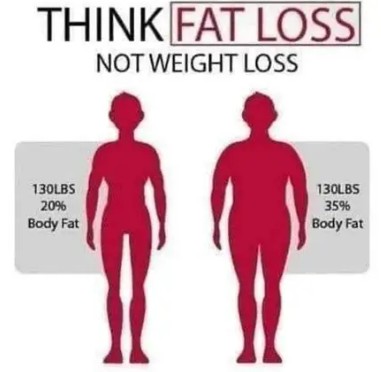
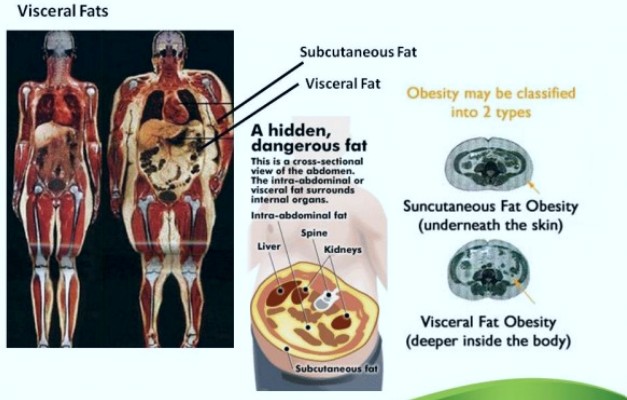
The remarkable finding: at an average weight loss of just 6.5%, 70% of people with BMI (Body Mass Index) 21-27 achieved remission. BMI is simply your ratio of weight to height. Be careful here because if you are muscular your BMI may be high. Muscle is more dense than fat. An alternate method for determining true fat content should be considered. For instance, a full body scale (Tychesy, Renpho, GE, Wyze) which uses a current sent through the feet and through a grip handle can determine if your visceral fat, that which surrounds the interior organs, is high or low. This is the fat of concern. You want to be at a count of less than 12. Exceptional being 1 to 5. Over 13 needs to be addressed to be lowered.
To achieve a weight loss of 6.5%, for most people, this represents about 10-15 pounds. This is very achievable. I’ve been here. It just takes a mindset focused on what is important. Is that one time desert or drink or processed carb uptake more important than a stroke, heart disease, blindness, kidney disease? Just to name a few items that result from diabetes. All this comes from blood glucose levels remaining high and causing damage to blood vessels and nerves which support the body’s tissues.
Here’s the dynamics occurring in your body as glucose remains high.
- Sticky Sugar Molecules (Glycation) High glucose causes “advanced glycation end-products” (AGEs) that alter enzymatic activity, reduce degradative capacity, and interfere with receptor recognition by disrupting molecular conformation Springer. Think of sugar molecules literally sticking to proteins in blood vessel walls and changing their shape/function. Similar to sugar left out overnight and exposed to moisture, it gets sticky and gums things up.
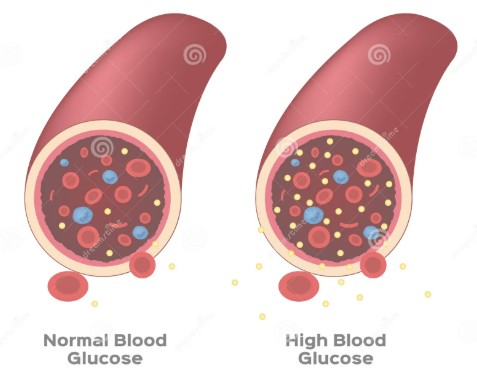
- Toxic Free Radicals (Oxidative Stress) Increased glucose metabolism creates a reactive glucose-derived substance called methylglyoxal (MG), which is linked to damage to blood cells, kidneys, retina and nerves ScienceDaily. When intracellular glucose concentration increases, mitochondria produce excessive superoxide (a damaging free radical) that causes oxidative stress PubMed Central.
- Inflammatory Cascade Hyperglycemia contributes to endothelial dysfunction through several pathways, including increased inflammation, reactive oxygen species production, and cell death Frontiers.
The Result:
The inner lining of blood vessels (endothelium) becomes:
- Inflamed and leaky
- Stiff instead of flexible
- Unable to produce protective nitric oxide
- Clogged with plaque buildup
- Thickened with scarring
It’s like acid rain on metal – the high sugar chemically corrodes the vessel lining from within, triggering inflammation and ultimately causing structural damage and dysfunction.
Focusing on reducing the personal, visceral, fat threshold is a path in the right direction.
How it works: Within 7 days of caloric restriction, liver fat drops by 30% and fasting blood glucose normalizes. By 8 weeks, pancreas fat content returns to normal and insulin secretion recovers.
Key Insight: Type 2 diabetes is fundamentally a condition of excess fat in the wrong places – specifically in organs (visceral fat) that weren’t designed to store it.
3.0 FOUNDATION: Dietary Intervention
Evidence-Based Dietary Approaches
Research identifies three dietary strategies with the strongest evidence for diabetes reversal:
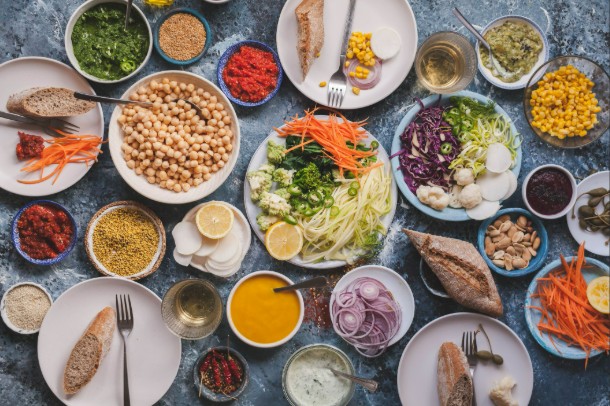
- Low-Carbohydrate Mediterranean Diet (LCMD)
Best for: Newly diagnosed patients
Evidence: Most effective for achieving T2D remission compared to low-fat diets
Characteristics:
- Emphasis on olive oil, fish, vegetables, nuts
- Moderate protein, low refined carbohydrates
- Minimal processed foods
- 8kg+ weight loss typically required
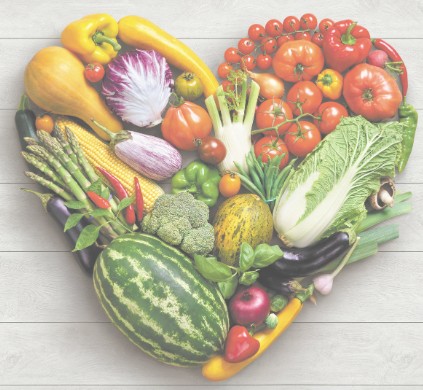
- Whole Food Plant-Based Diet
Best for: Those seeking less dramatic weight loss
Evidence: Requires less weight loss to achieve remission compared to other approaches
Characteristics:
- Minimal consumption of meat and animal products
- High in fiber, plant protein
- Emphasis on whole, unprocessed foods
- Low-fat preparation methods
Source: American College of Lifestyle Medicine Clinical Guidelines (2025)
3.3 Time-Restricted Eating (Intermittent Fasting)
Best for: Those who prefer structured eating windows
Evidence: Complete diabetes reversal achieved in patients with HbA1c ranging from 8-15%
Approach:
- Two meals daily (2-OMEX protocol)
- 16-18 hour fasting window
- Combined with regular exercise
- Reduces insulin secretion frequency
Clinical Trial Results
The DIADEM-1 trial at Weill Cornell Medicine demonstrated dramatic results:
- 61% of intensive lifestyle intervention participants no longer diabetic after 1 year
- Average weight loss: 26 pounds
- 33% achieved completely normal blood sugar levels
- Compared to only 12% remission in standard medication-only care
- The Power of Natural Compounds
4.1 CLOVE (Syzygium aromaticum)
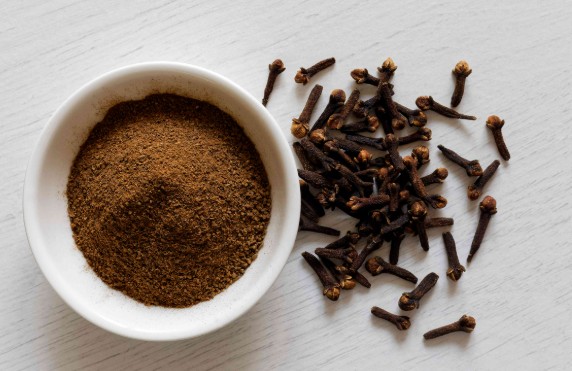
Recommended Dosage: 1-3 grams daily (equivalent to 1-2 whole cloves)
Clinical Evidence:
- Decreased serum glucose from 225 to 150 mg/dL (33% reduction)
- Triglycerides dropped from 235 to 203 mg/dL
- Total cholesterol decreased from 273 to 239 mg/dL
- LDL cholesterol reduced from 175 to 145 mg/dL
- Effects maintained even 10 days after discontinuation
I personally dose 1 to 2 clove sprigs daily. Not only for blood sugar levels but for it’s anti-parasitic qualities as well.
Mechanism of Action:
- Inhibits α-glucosidase and α-amylase enzymes (slows carbohydrate digestion)
- Improves insulin function through eugenol content
- Enhances insulin receptor sensitivity
- Reduces leptin levels (beneficial for hyperleptinemia)
Research Sources:
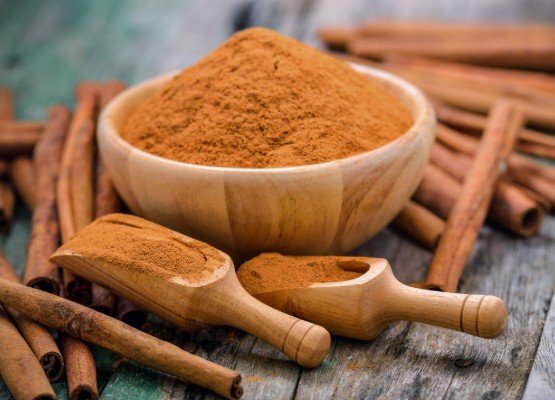
Recommended Dosage: 1-6 grams daily (½ to 1½ teaspoons)
Best Form: Capsules standardized to Ceylon cinnamon OR high-quality organic Ceylon powder
Type: Ceylon cinnamon (Cinnamomum verum, “true cinnamon”) – STRONGLY PREFERRED over Cassia. Cassia is the most common form found in grocery stores in the spice sections. To obtain Ceylon cinnamon you need to search health stores and similar specialty type stores.
Why Ceylon, Not Cassia?
CRITICAL SAFETY DISTINCTION:
- Cassia cinnamon contains 250-7,000x MORE coumarin than Ceylon
- Coumarin is hepatotoxic (damages the liver) with regular use
- European Food Safety Authority safe limit: 0.1 mg coumarin/kg body weight/day
- 1 teaspoon Cassia = 5-12 mg coumarin (far exceeds safe limits)
- 1 teaspoon Ceylon = <0.01 mg coumarin (negligible, completely safe)
For diabetics requiring LONG-TERM daily use, Ceylon is the only safe choice.
Clinical Evidence:
Note: Most diabetes studies used Cassia cinnamon (before coumarin safety concerns were fully understood). However, Ceylon cinnamon contains the same active compounds and demonstrates equivalent or superior benefits:
Blood Sugar Benefits (Cassia Studies – Applicable to Ceylon):
- Reduces fasting serum glucose by 18-29%
- Decreases HbA1c in Type 2 diabetics
- Improves insulin sensitivity
- Reduces post-meal glucose spikes
- No significant differences between 1g, 3g, or 6g doses
Sources:
- Anderson RA, et al. “Cinnamon Improves Glucose and Lipids of People With Type 2 Diabetes.” Diabetes Care 2003;26(12):3215-3218.
- Allen RW, et al. “Cinnamon Use in Type 2 Diabetes: An Updated Systematic Review and Meta-Analysis.” Annals of Family Medicine 2013;11(5):452-459.
Lipid Benefits:
- Decreases triglycerides by 23-30%
- Lowers LDL cholesterol by 7-27%
- Reduces total cholesterol by 12-26%
- Raises HDL (“good”) cholesterol
Prediabetes Study (2024):
In adults with obesity and prediabetes, 4g daily cinnamon (stay with Ceylon cinnamon) for 4 weeks significantly lowered 24-hour glucose concentrations, reduced post-meal glucose peaks, and decreased triglycerides during glucose tolerance testing.
Type 2 Diabetes Studies:
- Reduces fasting serum glucose by 18-29%
- Decreases triglycerides by 23-30%
- Lowers LDL cholesterol by 7-27%
- Reduces total cholesterol by 12-26%
Research Sources:
- Zelicha H, et al. American Journal of Clinical Nutrition 2024;119(3):649-657
- Anderson RA, et al. Diabetes Care 2003;26(12):3215-3218
- Allen RW, et al. Annals of Family Medicine 2013;11(5):452-459
CRITICAL SAFETY NOTE: Most studies used Cassia cinnamon varieties (Chinese, Indonesian, Vietnamese) due to availability. However, all Cassia types contain high coumarin levels (5-15 mg/g) that can damage the liver with regular use. For safe, long-term daily supplementation, always choose Ceylon cinnamon (Cinnamomum verum), which contains negligible coumarin (<0.05 mg/g) while providing the same blood sugar benefits.
Ceylon-Specific Research:
Animal Studies (Strong Mechanistic Evidence):
- Ceylon cinnamon extract improved insulin sensitivity in diabetic rats
- Reduced fasting blood glucose by 30-40%
- Protected pancreatic beta cells from oxidative damage
- Superior antioxidant activity compared to Cassia
Human Preliminary Data:
- Ceylon cinnamon extract blocks alpha-amylase enzyme (breaks down starch into sugar)
- Shows similar insulin-mimetic effects to Cassia
- Higher polyphenol content may offer superior antioxidant protection
Mechanism of Action:
How Ceylon Cinnamon Lowers Blood Sugar:
- Insulin Mimetic Effect
- Works like insulin to increase glucose transport into cells
- Activates insulin receptor pathways
- Increases insulin signaling proteins (GLUT-4, IRS-1)
- Enzyme Inhibition
- Inhibits alpha-glucosidase and alpha-amylase (carbohydrate-digesting enzymes)
- Slows breakdown of complex carbs → gentler blood sugar rise
- Similar to pharmaceutical drugs like acarbose (Precose)
- Reduces Hepatic Glucose Production
- Decreases liver’s release of stored glucose
- Improves glycogen storage
- Antioxidant & Anti-Inflammatory
- Reduces oxidative stress in pancreatic beta cells
- Protects insulin-producing cells from damage
- May help preserve pancreatic function
- Improves Lipid Metabolism
- Reduces triglycerides and LDL cholesterol
- Enhances fat burning (thermogenesis)
Active Compounds: Cinnamaldehyde, cinnamic acid, procyanidins, polyphenols (all present in BOTH Cassia and Ceylon)
Why Ceylon Works as Well (or Better) Than Cassia:
Same Active Compounds:
Both contain cinnamaldehyde and polyphenols (the blood sugar-lowering compounds)
Ceylon’s Advantages:
- Higher antioxidant capacity (protects pancreas better)
- More delicate flavor (easier to take daily)
- Zero liver toxicity (safe for indefinite use)
- Better quality control (usually organic, sustainably sourced)
Research Gap Explained:
- Most studies used Cassia simply because it’s cheaper/more available
- Ceylon wasn’t distinguished in early research (all called “cinnamon”)
- Safety concerns about Cassia coumarin only emerged later
- New studies are increasingly using Ceylon due to safety profile
Practical Recommendations:
Dosing Strategy:
- Start: 1 gram daily (½ teaspoon) with largest meal
- Therapeutic: 2-4 grams daily (1-2 teaspoons) divided with meals
- Maximum: 6 grams daily (well-tolerated in studies)
- Best timing: WITH meals (enhances post-meal glucose control)
How to Take:
- Capsules: 500-1,000mg Ceylon cinnamon extract (easiest, most consistent)
- Powder: Add to coffee which is my daily routine, oatmeal, smoothies, yogurt
- Tea: Steep Ceylon cinnamon stick in hot water 10-15 minutes
What to Buy:
- Look for: “Ceylon cinnamon” or “Cinnamomum verum” on label
- Avoid: Generic “cinnamon” (usually Cassia)
- Organic preferred: Lower pesticide exposure
- Reputable brands: Standardized extracts with third-party testing
Expected Results:
Timeline:
- 2-4 weeks: Fasting glucose begins to drop
- 8-12 weeks: HbA1c improvements, lipid changes
- 3-6 months: Maximum benefits, sustained improvements
Realistic Expectations:
- Fasting glucose: ↓ 10-30 mg/dL
- HbA1c: ↓ 0.5-1.0%
- Triglycerides: ↓ 20-30%
- Works BEST when combined with diet, exercise, other supplements
4.4 BERBERINE

Recommended Dosage: 500 mg, three times daily (before meals)
Total Daily Dose: 1,500 mg
Clinical Evidence: Comparable to metformin in multiple studies:
- HbA1c decreased from 9.5% to 7.5%
- Fasting blood glucose dropped from 10.6 to 6.9 mmol/L
- Post-meal glucose reduced from 19.8 to 11.1 mmol/L
- Additional benefit: Significantly reduced triglycerides (unlike metformin)
Unique Advantages Over Metformin:
- Superior effect on lipid metabolism (cholesterol, triglycerides)
- Better for weight loss and reducing obesity
- Improves gut microbiome composition
- Lower gastrointestinal side effects (when introduced gradually)
Mechanism of Action:
- Activates AMPK pathway (similar to metformin)
- Reduces hepatic glucose production
- Increases insulin sensitivity
- Enhances peripheral glucose uptake
- Modulates gut microbiota favorably
Research Sources:
- Yin et al., Metabolism (2008) – Direct comparison with metformin
- Meta-analysis involving 4,000+ patients with type 2 diabetes
- Multiple studies in PMC and peer-reviewed journals (2008-2023)
CRITICAL NOTE: See extensive safety section below. Berberine has significant drug interactions.
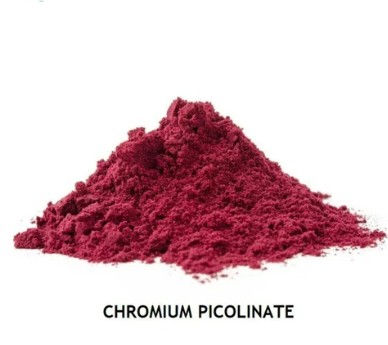
Recommended Dosage: 200-1,000 mcg daily
Optimal Dose: 400-500 mcg for most individuals
Clinical Evidence: (Mixed – Use with Caution)
Positive Studies:
- 1,000 mcg for 6 months: Improved insulin sensitivity, reduced body weight gain, decreased visceral fat
- Combined with sulfonylurea: Better glucose control than medication alone
- Some studies show HbA1c improvements of 0.5-1.0%
Negative/Neutral Studies:
- Several trials showed no effect on glucose tolerance or insulin sensitivity
- Results inconsistent across populations
- May only benefit those with severe insulin resistance or chromium deficiency
Who May Benefit:
- Individuals with higher baseline BMI (≥27)
- Those with documented chromium deficiency (rare)
- Patients already on diabetes medications
- Those with higher degrees of insulin resistance
Research Sources:
- Martin et al., Diabetes Care (2006) – Positive results
- Multiple meta-analyses showing mixed results
- NIH Office of Dietary Supplements assessment (2024)
5.0 EXERCISE: The Non-Negotiable Component

Minimum Requirements for Diabetes Reversal
Weekly Target: 150 minutes moderate-to-vigorous exercise
Daily Goal: 10,000 steps
Type: Combination of aerobic and resistance training
Why Exercise is Critical
Exercise independently improves:
- Insulin sensitivity (by up to 40%)
- Glucose uptake into muscles
- Pancreatic beta-cell function
- Body composition
- Cardiovascular risk factors
Evidence-Based Results
The DIADEM-1 and similar trials consistently show:
- Exercise + diet intervention: 61% remission rate
- Diet alone (without structured exercise): Much lower success rates
- Exercise enhances all other interventions synergistically
Recommended Approach:
- Start with 10 minutes daily if currently sedentary
- Gradually increase to 30 minutes, 5 days per week
- Add resistance training 2-3 times per week
- Track steps with pedometer or smartphone
6.0 STRESS MANAGEMENT & SLEEP
Often Overlooked, Critically Important
Chronic stress and poor sleep:
- Increase cortisol (raises blood glucose)
- Promote insulin resistance
- Trigger emotional eating
- Reduce exercise motivation
- Impair metabolic recovery
Recommended Practices:
- 7-9 hours quality sleep nightly
- Stress reduction techniques (meditation, prayer, breathwork)
- Regular relaxation practices
- Social connection and support
- Professional counseling if needed
Reference: Lifestyle Changes for Shifting Cortisol Levels
Sleep Deprivation and Its Impact on Insulin Resistance.” Metabolites 2025;15(10):549.
7.0 COMPREHENSIVE SUPPLEMENT PROTOCOL
Daily Schedule
MORNING (with breakfast):
- Berberine: 500 mg
- Cinnamon capsule: 1-2g
- Chromium picolinate: 400-500 mcg (optional)
AFTERNOON (with lunch):
- Clove capsule: 1g
- Berberine: 500 mg
EVENING (with dinner):
- Berberine: 500 mg
- Cinnamon capsule: 1g
Why This Timing?
- Berberine: Short half-life requires 3x daily dosing for consistent blood levels
- Cinnamon/Clove: Post-meal timing enhances glucose control
- Chromium: Once daily is sufficient
8.0 EXPECTED TIMELINE & MONITORING
What to Expect
Week 1:
- Fasting glucose improvements begin
- Energy levels may fluctuate (adaptation period)
- Possible digestive adjustments
Weeks 2-4:
- Noticeable blood sugar stabilization
- Weight loss begins (if applicable)
- Medication needs may decrease
Weeks 4-8:
- Significant HbA1c reduction visible
- Sustained energy improvements
- Body composition changes
3-6 Months:
- Full effects of protocol visible
- Potential remission for many
- Metabolic markers normalize
Essential Monitoring
Track Daily:
- Fasting blood glucose (morning)
- Post-meal glucose (2 hours after largest meal)
- Medication doses (work with doctor to reduce)
Track Weekly:
- Body weight
- Exercise minutes
- General well-being
Track Every 3 Months:
- HbA1c (gold standard)
- Lipid panel
- Liver function tests (if using berberine/cinnamon long-term)
9.0 Drug Interactions & Contraindications
⚠️ CRITICAL SAFETY INFORMATION ⚠️
This section is MANDATORY reading before starting this protocol.
BERBERINE – Significant Drug Interactions
Berberine inhibits liver enzymes (CYP3A4, CYP2D6, CYP2C9), which can increase blood levels of many medications and cause serious side effects.
❌ MAJOR CONTRAINDICATIONS (Do Not Combine):
Diabetes Medications:
- Risk: Severe hypoglycemia (dangerously low blood sugar)
- Affected drugs: Metformin, insulin, sulfonylureas (glipizide, glyburide), pioglitazone
- Action required: MUST work with physician to adjust medication doses
- Monitor: Blood glucose multiple times daily when starting
Immunosuppressants:
- Risk: Dangerous increase in drug levels, potential organ rejection
- Affected drugs: Cyclosporine, tacrolimus
- Action: DO NOT use berberine if taking these medications
Blood Thinners:
- Risk: Increased bleeding, dangerous INR fluctuations
- Affected drugs: Warfarin, clopidogrel, aspirin (high dose)
- Action: Requires frequent INR monitoring or avoid combination
⚠️ MODERATE INTERACTIONS (Use with Caution):
Blood Pressure Medications:
- May cause blood pressure to drop too low
- Dizziness, fainting possible
- Monitor blood pressure regularly
Statins:
- Berberine may increase statin levels
- Risk of muscle pain, rare risk of rhabdomyolysis
- Use lower statin doses if combined
Antibiotics (Macrolides):
- Azithromycin + berberine = cardiac toxicity risk
- Avoid combination during infection treatment
Sedatives:
- May increase drowsiness
- Affects: benzodiazepines, sleep medications
- Use caution with driving/machinery
CINNAMON – Important Warnings
Coumarin Content (Blood Thinner):
Cassia Cinnamon (recommended for glucose control) contains HIGH levels of coumarin:
- Risk with blood thinners (warfarin, aspirin, clopidogrel)
- May increase bleeding risk
- Risk of liver damage with prolonged high-dose use
Ceylon Cinnamon (lower coumarin) may be safer alternative but less effective for diabetes.
Drug Metabolism Concerns:
NEW 2025 Research: Cinnamon (via cinnamaldehyde) activates xenobiotic receptors:
- May increase clearance of prescription drugs
- Could make medications less effective
- Particularly affects drugs metabolized by liver
Interactions to Monitor:
- Diabetes drugs: May cause hypoglycemia
- Blood pressure meds: May lower BP too much
- Liver-metabolized drugs: Acetaminophen, statins, anti-seizure medications
- Nicotine: Significat interaction possible. Cinnamon is good, nicotine is not. This combination may trap nicotine in the blood for longer periods
Liver Toxicity:
- Cinnamon supplements (high dose, 2.5 or greater tsps.)
- Combined with statin
- Resolved after discontinuation
Recommendation: If taking statins or other hepatotoxic drugs, monitor liver enzymes regularly.
CLOVE – Generally Safe, Some Cautions
Lower risk than berberine or cinnamon, but still consider:
- May potentiate blood-thinning effects
- High doses could interact with anticoagulants
- Eugenol content may affect liver enzymes at very high doses
CHROMIUM PICOLINATE – Limited Interactions
Generally well-tolerated but:
- May interact with thyroid medications (reduce absorption)
- Could theoretically increase hypoglycemia risk with diabetes drugs
- High doses may affect iron metabolism
10.0 WHO SHOULD AVOID THIS PROTOCOL
Absolute Contraindications:
- Pregnant or breastfeeding women (berberine crosses placenta, may harm infant)
- Organ transplant recipients (berberine/cyclosporine interaction)
- Those on warfarin without close medical supervision
- Children under 18 (insufficient safety data)
- Severe liver disease (cinnamon coumarin content)
- Type 1 diabetes (different disease mechanism)
Relative Contraindications (Requires Medical Supervision):
- Taking multiple medications metabolized by liver
- History of hypoglycemia
- Low blood pressure (< 90/60)
- Bleeding disorders
- Scheduled for surgery (discontinue 2 weeks prior)
- Kidney disease (berberine accumulation possible)
11.0 WORKING WITH YOUR HEALTHCARE PROVIDER
Essential Steps Before Starting:
- Complete medical evaluation:
- Full lipid panel
- HbA1c, fasting glucose
- Liver function tests
- Kidney function tests
- Current medication list review
- Discuss this protocol specifically:
- Share this document with your physician
- Review each supplement interaction
- Create medication tapering plan
- Establish monitoring schedule
- Set up monitoring:
- Home glucose meter + test strips
- Blood pressure monitor (if applicable)
- Schedule for follow-up labs
- Emergency action plan for hypoglycemia
Red Flags – When to Contact Doctor Immediately:
- Blood glucose < 70 mg/dL repeatedly
- Symptoms of hypoglycemia: shakiness, confusion, rapid heartbeat
- Unusual bleeding or bruising
- Dark urine or jaundice (yellow skin/eyes)
- Severe abdominal pain
- Chest pain or difficulty breathing
12.0 GRADUAL INTRODUCTION STRATEGY
To minimize side effects and interactions:
Week 1-2:
- Start dietary changes
- Begin exercise program
- Introduce ONE supplement only (suggest cinnamon – lowest risk)
- Monitor glucose closely
Week 3-4:
- Add second supplement (clove)
- Continue monitoring
- Assess medication needs with doctor
Week 5-6:
- Add berberine (if physician approved and no contraindications)
- Start 500mg once daily
- Increase to 500mg twice daily after 1 week
- Final increase to 500mg three times daily week 3
Ongoing:
- Add chromium if desired (optional)
- Continue all interventions
- Monthly check-ins with healthcare team
SUCCESS FACTORS
What Determines Success:
- Duration of diabetes: Best results within first 6 years
- Degree of weight loss: Usually 10-15% body weight needed
- Consistency: Protocol requires 6+ months commitment
- Medical supervision: Essential for safe medication adjustment
- Personal Fat Threshold: Individual variation exists
- Compliance: All components matter (diet, exercise, supplements, stress)
Even Without “Remission”:
If full remission isn’t achieved, this protocol consistently produces:
- Lower medication requirements
- Better blood sugar control
- Improved cardiovascular health
- Weight loss
- Enhanced quality of life
- Reduced complication risk
13.0 QUALITY SUPPLEMENT SELECTION
How to Choose Safe Products:
Look for:
- Third-party testing (USP, NSF, ConsumerLab)
- GMP-certified facilities
- Clear labeling of active ingredients
- Standardized extract percentages
- Batch testing for heavy metals
- Transparent company reputation
Avoid:
- Proprietary blends (hidden dosages)
- Unrealistic claims
- Unknown manufacturers
- Expired products
- Extremely low prices (quality concern)
Recommended Forms:
- Berberine HCl (most studied form)
- Cinnamon: Standardized extracts in capsules
- Clove: Polyphenol-rich extract or ground clove in capsules
- Chromium: Picolinate form specifically
14.0 DIETARY SUPPLEMENT COMBINATIONS TO AVOID
DO NOT Combine with This Protocol:
- Other glucose-lowering supplements (bitter melon, gymnema, fenugreek)
- High-dose garlic or ginseng (blood-thinning effects)
- Multiple enzyme inhibitors simultaneously
- Extreme detox programs
- Unproven “diabetes cure” products
Synergistic (Safe to Add):
- Omega-3 fish oil
- Vitamin D (if deficient)
- Magnesium
- Alpha-lipoic acid (separate timing from berberine)
- CoQ10
15.0 SPECIAL POPULATIONS
Age Considerations:
Over 65:
- Higher medication interaction risk
- Start supplements at lower doses
- More frequent monitoring needed
- Exercise program should be gentler
Under 40:
- Excellent remission potential
- May achieve results faster
- Can tolerate more aggressive intervention
- Prevent long-term complications
Comorbidity Considerations:
Heart Disease:
- Benefits: Improved lipids, reduced inflammation
- Cautions: Blood pressure monitoring essential
- Berberine shows cardiovascular benefits in studies
Kidney Disease:
- Berberine clearance may be reduced
- Closer monitoring required
- May need dose adjustments
Fatty Liver Disease:
- Often improves with this protocol
- Cinnamon dose should be moderate
- Monitor liver enzymes more frequently
COST ANALYSIS
Monthly Supplement Costs (Approximate):
- Berberine (1,500mg daily): $20-40
- Cinnamon capsules (3g daily): $15-25
- Clove extract (1g daily): $15-30
- Chromium picolinate (400mcg daily): $8-15
Total Monthly: $58-110
Compare to:
- Average diabetes medication costs: $200-500/month
- Long-term complication costs: Thousands annually
- Potential medication reduction: Saves $100-400/month
ROI: Even without insurance coverage, this protocol can be cost-neutral or cost-saving within 3-6 months.
EVIDENCE-BASED MINDSET
What This Protocol Is:
✅ Research-backed intervention
✅ Complementary to medical care
✅ Proven in clinical trials
✅ Addresses root causes
✅ Empowering approach
✅ Sustainable lifestyle change
What This Protocol Is NOT:
❌ Replacement for medical supervision
❌ Guaranteed cure for everyone
❌ Quick fix or magic bullet
❌ Safe without physician oversight
❌ Appropriate during pregnancy
❌ One-size-fits-all solution
16.0 CONCLUSION
Type 2 diabetes reversal is no longer a pipe dream – it’s an evidence-based reality for many people willing to commit to comprehensive lifestyle change. This protocol synthesizes decades of research into a practical, actionable plan that addresses the root metabolic dysfunction rather than merely managing symptoms.
The path forward:
- Share this document with your physician
- Get comprehensive baseline testing
- Address any contraindications
- Begin with dietary and exercise changes
- Gradually introduce supplements under medical supervision
- Monitor progress consistently
- Adjust medications as needed (with physician guidance)
- Commit for 6-12 months minimum
- Celebrate improvements along the way
- Maintain healthy habits long-term
Remember: Even if you don’t achieve complete remission, every improvement in blood sugar control, weight, and cardiovascular health represents a major victory. You’re not just managing diabetes – you’re reclaiming your metabolic health.
COMPLETE REFERENCE LIST
Clove Research:
- Khan A, et al. “Cloves improve glucose, cholesterol and triglycerides of people with type 2 diabetes mellitus.” The FASEB Journal (2006)
- Syzygium aromaticum L. “Water-soluble polyphenol-rich clove extract lowers pre- and post-prandial blood glucose levels.” BMC Complementary Medicine and Therapies (2019)
- Nigerian Journal of Physiological Sciences. “Effects of Clove and Fermented Ginger on Blood Glucose, Leptin, Insulin and Insulin Receptor Levels.” (2018)
Cinnamon Research:
- Anderson RA, et al. “Cinnamon improves glucose and lipids of people with type 2 diabetes.” Diabetes Care (2003)
- Allen RW, et al. “Cinnamon use in type 2 diabetes: an updated systematic review and meta-analysis.” Annals of Family Medicine (2013)
- Zelicha H, et al. “Effect of cinnamon spice on continuously monitored glycemic response in adults with prediabetes.” American Journal of Clinical Nutrition (2024)
- Khan S, et al. “Mechanisms of herb-drug interactions involving cinnamon.” Food Chemistry: Molecular Sciences (2025)
Berberine Research:
- Yin J, et al. “Efficacy of berberine in patients with type 2 diabetes.” Metabolism (2008)
- Multiple authors. “Berberine is a potential alternative for metformin with good regulatory effect on lipids.” ScienceDirect (2023)
- Guo Y, et al. “Repeated administration of berberine inhibits cytochromes P450 in humans.” European Journal of Clinical Pharmacology (2012)
Chromium Research:
- Martin J, et al. “Chromium picolinate supplementation attenuates body weight gain and increases insulin sensitivity.” Diabetes Care (2006)
- National Institutes of Health. “Chromium – Health Professional Fact Sheet.” (2024)
Diabetes Reversal Research:
- Taylor R, et al. “Reversal of Type 2 Diabetes.” Newcastle University Magnetic Resonance Centre
- Taheri S, et al. “Diet-and-exercise treatment reverses diabetes in 61 percent of patients.” Lancet Diabetes and Endocrinology (2020)
- American College of Lifestyle Medicine. “Type 2 Diabetes Remission Clinical Guidelines.” (2025)
- Hallberg SJ, et al. “Reversing type 2 diabetes: a narrative review of the evidence.” PMC (2019)
- Harvard Health. “Healthy lifestyle can prevent diabetes (and even reverse it).” (2023)
Diet Research:
- Multiple authors. “The impact of food-based dietary strategies on achieving type 2 diabetes remission.” ScienceDirect (2024)
- Institute for Functional Medicine. “Lifestyle Interventions for Type 2 Diabetes.” (2025)
- Multiple authors. “Daily 2-only meals and exercise lifestyle modification for remission of type 2 diabetes mellitus.” PMC (2022)
ABOUT MBS SYNERGY
At MBS Synergy, we believe in evidence-based integration of mind, body, and spirit for optimal health. This protocol represents our commitment to provide scientifically-validated, holistic approaches to metabolic wellness.
This discussion on how to prevent and reverse type-2 diabetes is a recommendation based on available research. The data and recommendations are not a substitute for your doctors’ counsel and should be brought to your doctors’ attention before you take on any protocol described here
Our Mission: Empowering you with research-backed strategies to reclaim your health and vitality.
Our Promise: Every recommendation we make is grounded in peer-reviewed research and clinical evidence.
Visit us: mbssynergy.com
Stay healthy, stay well in mind, body and spirit. Gods’ blessings on you.
Disclaimer: This blog post is for educational purposes only and does not constitute medical advice. Type 2 diabetes is a serious medical condition requiring professional medical supervision. All individuals should consult with their healthcare provider before making any changes to their diet, exercise routine, or supplement regimen, especially when taking prescription medications. The author and MBS Synergy assume no liability for any adverse effects resulting from the use of this information.