Last week we talked about how gratitude rewires your brain. Now I’d like to get into the actual physical impact on our cardiovascular system, our sleep quality, our inflammatory response, and even our pain perception.

Gratitude is typically considered a sentiment associated with “feel good” emotions and are usually expressed when good things happen. For me personally I’m not looking for “feel good”. Although, I do see that as a possible benefit. I search more for the physical attribute, where measurables can be applied. I’ve found that by applying a gratitude process into my life, there is a physiological impact that yields measurable effects on my body. Here, it begins with the mind and impacts the body.
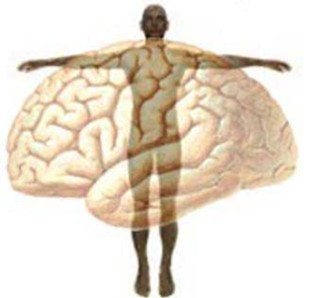
Our hearts beat differently when we’re grateful. Our inflammatory markers drop. Our sleep architecture improves. These aren’t metaphors, there are documented studies that reveal the impact of gratitude beginning in the mind and spirit and leading to measurable physical improvements.
One practice that has shown to provide benefit is journaling about gratitude experience. I will be honest here, I am not much of a journaler (if that’s even a word), however, given the science aligning with the action, I’m more willing to dig into it. Along with that I know that when I simply write something down, the impact is positive. I tend to recall what I’ve written without having to view it again. My mood is also lifted in that I know I’m taking care to be accountable and that tends to negate any ill feelings from forming because I couldn’t recall what I tried to put to memory. Maybe you’ve experienced it. At home I know what I need from the store, I put it to memory all 8-items. Then at the store I have 6-items in the cart ……… of course, I’ve forgotten what the other 2-items were. It’s at that point I’ll have a tendency to get down on myself for forgetting. So, I’m now just a jotter or put it all in my phone notes app. All that negativity for possible forgetfulness is now eliminated.

Your Heart on Gratitude: The Cardiovascular Connection
Here’s something your cardiologist probably hasn’t mentioned: gratitude practice can improve heart rate variability (HRV), a key indicator of cardiovascular health and stress resilience.
A 2016 UC San Diego study randomized 70 Stage B heart failure (some heart damage, compromised but compensating) patients into two groups. One group practiced gratitude journaling for eight weeks. The control group received standard treatment.
The results confirmed the gratitude journaling group showed increased HRV or Heart Rate Variability of about 4.4%. The higher the HRV the better the heart. In other words, a healthy heart doesn’t beat like a metronome—it constantly adjusts beat-to-beat based on breathing, activity, stress. That variability is a sign of resilience, a marker of reduced cardiac risk.
Along with that were also reductions in blood inflammatory biomarkers such as CRP (C-Reactive Protein), IL-6 (Interluekin-6), TNF-α (Tumor Necrosis Factor-alpha), and sTNFr1 (Soluble TNF Receptor 1). After 8 weeks of gratitude journaling, these inflammatory markers decreased, compared to the control group.
Gratitude journaling reduced the inflammatory “fire” in their bodies that contributes to heart disease getting worse. People literally wrote things they were grateful for, and their cardiovascular biomarkers improved. No medication adjustment. No new exercise protocol.

A 2020 study tracking 1,031 participants over 6.7 years found that higher gratitude scores were associated with reduced risk of heart attack through improved heart rate reactivity. The relationship was mediated through improved heart rate reactivity to stress. Even when controlling for age, sex, BMI, education, hypertension, and diabetes, higher gratitude remained protective. Your heart doesn’t just appreciate gratitude—it responds to it structurally, functionally, and biochemically.
Inflammation: The Silent Threat Gratitude Helps Quiet
Chronic inflammation drives nearly every age-related disease—cardiovascular disease, diabetes, arthritis, even cancer. Your inflammatory response should be acute and temporary. Modern life has made it chronic.
Research consistently shows gratitude reduces key inflammatory biomarkers. The 2016 Stage B heart failure study found eight weeks of gratitude journaling significantly reduced inflammatory biomarker indices compared to the control group. A 2023 analysis confirmed these findings across cardiovascular populations: gratitude practices correlate with lower CRP and decreased IL-6 and TNF-α.
But here’s the nuance from 2021 UCLA research: the mechanism is indirect. While gratitude intervention didn’t directly reduce markers in all participants, women who increased support-giving behavior showed significant IL-6 decreases.
The pathway: You feel grateful → you help others more → caregiving behavior reduces inflammatory load.

Gratitude, helping others, providing a service for someone in need, petting a dog, giving love all are foundations that yield overall improved physical health. There’s a connection with the mind, body and the spirit and it is proving itself time and again to be factual.
Either way, inflammation improves. The route just turned out more interesting than expected.
Sleep: The Foundation Gratitude Rebuilds

A 2009 study in Journal of Psychosomatic Research examined 401 adults (40% with clinically impaired sleep). Gratitude predicted better sleep quality, longer duration, faster sleep onset, and less daytime dysfunction—independent of personality traits.
The driving factor is pre-sleep cognitions or what is on your mind.
When we’re grateful, we ruminate less on worries before bed. We think more positive thoughts instead. This mental shift directly improves sleep architecture.
A 2017 follow-up study added crucial detail: depressive mood mediates the relationship. Highly grateful people have lower depression symptoms, leading to fewer pre-sleep worries and better sleep quality.
Practical implication: Gratitude journaling before bed doesn’t just give you pleasant thoughts. It restructures your pre-sleep mental environment, reducing the worry loop keeping you awake at 2 AM.

Your brain needs quality sleep for memory consolidation, metabolic waste clearance, and hormone regulation. Gratitude helps by quieting mental noise that prevents deep rest.
I put this to practice when I get into ruminating, worrisome thoughts or negativity begins to consume my headspace, especially when it’s time to rest or sleep. I practice gratitude and I pray to bind anxious thoughts. I’ll get into some of the simple things that occurred that day that I am grateful for. Like, two dogs that wanted to join me on the couch and lay all over me. Or, the hard boiled eggs I had for dinner that were filling, the safe drive to work, the beauty of the wooded back yard I can peer upon. There is always something to appreciate. It really doesn’t take a lot of mindful depth; the simple things are right in the forefront.
Pain Perception: Gratitude as Analgesic
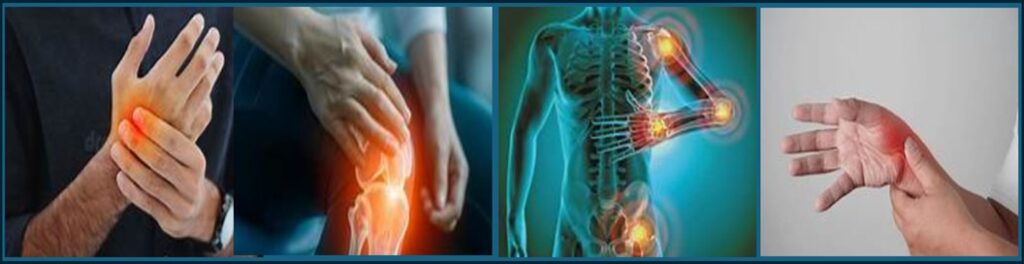
A 2019 arthritis study examined adults who completed four weeks of gratitude journaling (20-30 minutes daily). Results showed significant improvements in three areas: reduced fear of movement, increased pain self-efficacy, and decreased pain anxiety.
Fear of movement is critical—if moving terrifies you, you avoid it, leading to deconditioning that worsens pain. Gratitude journaling helped people move more confidently. I encourage movement. I have pain in places and when I move, it encourages blood flow and decreases the inflammation. So, there is a physical attribute that works in alignment with the mental attitude. Once I get moving my attitude and gratitude both elevate. So journal, move and get elevated.
Pain self-efficacy—your belief you can function despite pain—is one of the strongest predictors of chronic pain management success. Gratitude improved that too. One part is to get your mind around pushing through the pain, not ignoring it, but also, not letting it dominate. You may need to start slow and cautiously. Don’t be too aggressive, slow and steady is the focus here. I have been here with back pain, knee pain, wrist pain, shoulder pain. Part of my process is to actually push into the pain, such as stretching or pressure point application. When I release from the stretch or pressure point, I experience a lessor point of pain. Along with that, over time and keeping with this routine, my overall motion is increased and pain decreased and/or usually eliminated altogether.
A 2023 study of 60 older adults with chronic low back pain found gratitude reduced depression through perceived stress and better sleep.
Brain imaging explains why: gratitude activates reward areas (prefrontal cortex) while dampening pain-processing regions (anterior cingulate cortex, amygdala). It doesn’t just distract from pain—it alters how your brain processes pain signals.
Gratitude can’t eliminate all pain. But it measurably reduces pain intensity, improves function, and breaks psychological patterns that amplify suffering.
The Mind-Body Integration

Your mental state isn’t separate from your physical health. When you cultivate gratitude, your autonomic nervous system becomes more stress-resilient, HRV improves, inflammation moderates, sleep deepens, pain perception shifts, and behavioral patterns change.
These aren’t unrelated benefits—they’re interconnected physiological cascades compounding over time. Gratitude isn’t a mindset gimmick. It’s an evidence-based physiological intervention with measurable impact on autonomic stability, inflammation, sleep, and long-term health.
Why This Matters for You
If you’ve been following the MBS Synergy approach, you already know that optimal wellness requires mind-body-spirit integration. You can’t compartmentalize these systems.
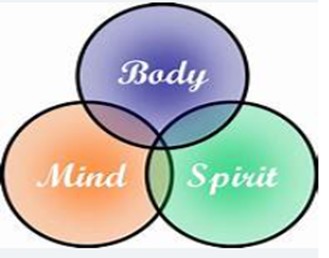
You can take the best supplements, follow the perfect macros, and optimize your sleep environment—but if you’re carrying chronic stress, ruminating on grievances, and operating from a baseline of resentment, your physiology will reflect that.
Conversely, gratitude practice doesn’t replace proper nutrition, exercise, or medical treatment. But it creates the psychological and physiological environment where those interventions work better.
Think of it this way: gratitude is like adjusting your body’s operating system to run more efficiently. Everything else you do for your health—every supplement, every workout, every medical intervention—works within that operating system.
When your nervous system is chronically dysregulated, your inflammation is elevated, your sleep is poor, and your stress response is stuck in overdrive, even good interventions yield diminished results.
Gratitude helps restore the baseline from which all other wellness efforts operate.
The Faith Connection
For those approaching wellness from a Christian perspective, there’s something profound here: gratitude isn’t just psychologically beneficial or physiologically advantageous. It’s theologically central.
“Give thanks in all circumstances; for this is God’s will for you in Christ Jesus.” (1 Thessalonians 5:18)
“You will be enriched in every way so that you can be generous on every occasion, and through us your generosity will result in thanksgiving to God” (2 Corinthians 9:11)
“Devote yourselves to prayer, being watchful and thankful” (Colossians 4:2)
Scripture doesn’t encourage gratitude because it’s a nice idea. It encourages gratitude because God designed human beings to function optimally in a state of thankfulness. The research we’ve examined this week simply documents what biblical wisdom has taught for millennia.
Your body was designed to thrive in gratitude and struggle in resentment. That’s not a moral judgment—it’s biological reality reflecting divine design. For me when I’m feeling down, resentful, angry, hurt I don’t want to get up and do anything, especially work out.

However, when I search for something positive, even it’s knowing I’ll feel better on the other side of my work out AND I’m grateful for that, I can get things going.

Ultimately, it also works out that I feel better at the other side of my exercise. My mind engages my spirit which engages my body which increases my positivity, provides me a purpose, has me moving, reducing my inflammation, initiating endorphins and now I’m in a good place inside my skin.

Test it yourself. Download the Gratitude Workbook from the MBS Wellness Resources. Work through some of the exercises and look for your before-after moods and energies. I know this sounds easy, it actually is, in its paper form. I also understand that life issues, losses, changes and just hardships can make any level of gratitude feel distant. In those moments you may not be able to dig out any gratitude. Don’t discount your current state of distress, depression, sadness or even anger. Do, however, commit to coming back at some point in the future to searching out gratitude. The point is, just put the thought into your mind and let it grow from there. Stay with processing your current emotional state. Seek professional help if the down state persists over time or you just need help processing.
Victimhood is a Bad Community
I highly recommend removing yourself from any victim mindset. This is the most destructive avenue, and you will never find anything to be grateful for. It is a defeatist spirit, self-indulgent and propagates anger. We don’t need to add to the growing daily anger displayed all around us. The truth is we are never victims. All things occur in our lives for a reason. Either to grow us mentally, physically or spiritually. It may be to help someone else in their journey and our response to circumstances influences their process. Victims remain as such, contributing only to their own self-indulgence. Resentment is easier than gratitude and blame is easier than responsibility. The victim mindset remains chronically inflamed, perpetually stressed and perpetually angry. Stay off this road.

Lorem ipsum dolor sit amet, consectetur adipiscing elit. Ut elit tellus, luctus nec ullamcorper mattis, pulvinar dapibus leo.
What This Means Going Forward
We’ve covered the neuroscience of mindful gratitude (Week 1) and the physiology, body impact (Week 2). Next week, we’ll explore spiritual gratitude—what it means to move beyond “thanks for the good stuff” into a deeper orientation of thankfulness that transforms not just your brain and body, but your entire relationship with God, others, and your circumstances.
Week 4 will give you a complete, practical gratitude-based wellness system you can implement immediately.
But for now, sit with this: every time you practice gratitude, you’re not just thinking positive thoughts. You’re activating specific brain regions, improving cardiovascular function, reducing inflammation, enhancing sleep architecture, and modulating pain perception. Just to iterate, this moves beyond good feelings and into real physical attributes.
Your body is listening. God bless and stay well in mind, body and spirit.
Let’s talk about it:
Questions for Reflection
- What’s your gratitude baseline?
Track your gratitude for three days without changing anything. On a scale of 1-10, how grateful do you typically feel each evening? If you’re consistently below 5, you’re likely operating in survival mode rather than growth mode. Your body notices this—higher stress, worse sleep, more inflammation. The question isn’t whether you should be grateful. It’s whether staying ungrateful is helping you heal. - Where does victim thinking show up in your health journey?
Notice when you default to “Why is this happening to me?” versus “What can I learn from this?” Both responses are understandable, but only one activates your prefrontal cortex and dampens your amygdala. Victim thinking keeps you in threat mode—elevated cortisol, impaired HRV, chronic inflammation. It’s not about toxic positivity or pretending everything’s fine. It’s about recognizing that powerlessness itself is physiologically harmful. Where could you shift from “I’m trapped by this condition” to “I’m learning to work with this body”? - What if gratitude is the minimum effective dose for healing?
The research shows benefits from as little as 5 minutes of gratitude journaling before bed. Not hours of meditation. Not expensive retreats. Five minutes. What’s stopping you? If your answer involves time, motivation, or skepticism, ask yourself: would you skip a medication that reduced inflammation, improved sleep, and lowered heart attack risk? Gratitude isn’t optional self-help feel good nonsense. It’s an evidence-based intervention with measurable physiological effects. - Who in your life never gets thanked?
Not Instagram-worthy gratitude. Not performative appreciation. Real acknowledgment of real people. Your body at 2 AM when your immune system is fighting off infections you’ll never know about. The person who listens to your health struggles without trying to fix you. The medical professional who actually reads your chart. Unexpressed gratitude is like unspent currency—it doesn’t help anyone. And the research shows: expressing gratitude to others creates the anti-inflammatory, sleep-enhancing, stress-reducing effects. Silent appreciation is nice. Voiced gratitude changes your biology. Who can you thank today? - What would you do differently if you treated your body as an ally instead of an enemy?
Most people with chronic illness oscillate between ignoring their body’s signals and resenting them. Neither works. But gratitude creates a third option: partnership. When you’re grateful for what your body can do (even if it’s less than before), you’re more likely to support it properly through better sleep hygiene, stress management, gentle movement. You stop the punishing, pushing, ignoring cycle that makes everything worse. Your body responds to how you treat it, and gratitude is the language it understands better than criticism ever will.
—
Continue Your Learning:
Read the complete 4-week Gratitude & Emotional Wellness series:
– Week 1: The Neuroscience of Gratitude
– Week 2: How Gratitude Actually Changes Your Body (you are here)
– Week 3: Spiritual Gratitude: Beyond Saying Thank You
– Week 4: Your Complete Gratitude-Based Wellness System
Want More Evidence-Based Wellness Content?
Join the MBS Synergy community for weekly insights on mind-body-spirit integration, neuroscience-backed health optimization, and faith-informed wellness approaches.
Ready to start? Download our free “7-Day Gratitude Brain Reset” workbook with structured journaling prompts and tracking tools based on the neuroscience research. [Get your free workbook here]
Recommended Reading
Go Deeper: Evidence-Based Resources The research cited throughout this article represents decades of clinical trials and peer-reviewed studies. If you want to explore the full scientific foundation:
Gratitude Works!: A 21-Day Program for Creating Emotional Prosperity, by Robert Emmons, PhD he is the world’s leading gratitude researcher and professor of psychology at UC Davis. His work forms the foundation of modern gratitude science. A Practical 21-day guide covering cardiovascular benefits, inflammation reduction, and sleep quality improvements. Includes the research methodologies behind studies like those cited in this article. This one is an excellent read. It’s in audio as well.
Thanks! How the New Science of Gratitude Can Make You Happier, by Robert Emmons. A Comprehensive exploration of gratitude’s effects on physical health, with detailed examination of clinical trials and meta-analyses.
One Thousand Gifts, by Ann Voskamp explores gratitude as Christian spiritual discipline, providing the theological context for practices that produce the physiological benefits we’ve examined.
The Upward Spiral: Using Neuroscience to Reverse the Course of Depression, One Small Change at a Time, by Alex Korb, PhD – Neuroscientist explaining how small practices (including gratitude) change brain chemistry. Chapter 4 covers gratitude’s neurochemical effects. Covers depression/anxiety angle and mental health complications
—
© 2025 MBS Synergy | AO Diversified LLC
Evidence-based wellness through mind-body-spirit integration