Section 1: The Science Behind Mental Immunity
It’s 3 AM and you’re wide awake, your mind racing through tomorrow’s presentations, this month’s bills, and that family situation that’s been eating at you for weeks. Your heart is pounding, your shoulders are tense, and there’s that familiar knot in your stomach. What you might not realize is that in this exact moment, stress hormones are flooding your system, actively dismantling your body’s natural defense mechanisms. By morning, you’re not just mentally exhausted—you’re immunologically vulnerable.
The central premise:
- Most people know stress “isn’t good for you” but don’t understand the profound biological reality
- Your thoughts and emotions are literally programming your immune system
- This isn’t wellness theory—it’s measurable, actionable science
- The good news: your mind can be your immune system’s greatest ally
The Stress-Immune Connection: What’s Really Happening
The Biological Cascade: Your Body’s Ancient Emergency Response
Imagine you’re walking through a wooded area and evening has descended. It’s dark and the sun is well below the horizon, with just a splinter of its earlier glow. As you walk the air on your skin is cool, your boots crunch on the pathway and the evening stillness begins to settle in. Then you hear the rustling of deadfall and leaves, somewhere around you. Or, if you’re like in my case, you’re walking with your dogs and they go on high alert, sensing something that I’m not able to sense …….. and they won’t get off of it. Then that creepy feeling starts to settle in. Then I think, I’d be better off without these knuckle head doggies. Along with all that, in that instant, before my conscious mind even processes the potential threat, an extraordinary biological symphony begins playing in my body. This is the HPA axis—my hypothalamic-pituitary-adrenal system—and it’s about to demonstrate why humans survived as a species for millions of years.
The Lightning-Fast Alarm System
Within milliseconds of perceiving danger, your hypothalamus (a region in your brain no bigger than an almond) sends an urgent chemical message to your pituitary gland: “Urgent. Alert. Prepare for engagement” This tiny but mighty gland then releases adrenocorticotropic hormone (ACTH), which races through your bloodstream like an emergency broadcast, reaching your adrenal glands perched atop your kidneys. Decision time on whether to take fight or flight.
Your adrenal glands respond instantly, dumping a cocktail of stress hormones into your system. The key ingredients to this chemical fusion are cortisol and adrenaline (epinephrine)—two of the most powerful chemicals your body produces.
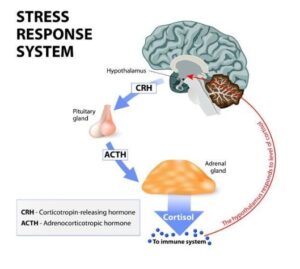
The Stress Hormone Takeover
Adrenaline hits first, like an invading aerial attack. Its intention is to kick off the battle and clear ground landing areas. Your heart pounds harder and faster, pumping oxygen-rich blood to your muscles. Your breathing deepens and quickens. Your pupils dilate to take in more visual information. Blood flow diverts away from your digestive system (who needs to digest food when you’re potentially fighting for your life?) and redirects to your major muscle groups. You become hyperalert, physically primed, and ready for action. Here, we see the synchronicity of mind inputs and body outputs.
Cortisol follows as the sustaining engagement—think of it as adrenaline’s marine force. While adrenaline provides the immediate burst of energy, cortisol maintains your heightened state of readiness. Like the marines it is the long-term sustainability. It floods your bloodstream with glucose for quick energy, increases your blood pressure to ensure vital organs get adequate blood flow, and temporarily dampens pain perception so injuries won’t slow you down. We are wonderfully created and very well fine tuned by our God.
The Immune System Sacrifice
Here’s where the story takes a crucial turn for your health. In those moments of perceived danger, your body makes a calculated biological decision: it systematically shuts down functions that aren’t immediately necessary for survival. Your immune system—which normally patrols your body like a sophisticated security force—gets the message to stand down.
Why? Because mounting an immune response requires enormous amounts of energy. Fighting off a virus or healing a wound takes significant metabolic resources. When your ancient brain perceives a tiger chasing you (or in modern times, a looming deadline, relationship conflict, or financial worry), it makes a logical choice: “We’ll deal with germs later. Right now, we need every available calorie to either fight this threat or run from it.”

Cortisol actively suppresses the production of white blood cells, your body’s infection-fighting soldiers. It reduces the activity of natural killer cells, which normally hunt down and destroy cancerous cells and virus-infected cells. It dampens the inflammatory response, which sounds good until you realize that inflammation is your immune system’s way of containing and eliminating threats.
The Evolutionary Brilliance of Short-Term Stress
This system is nothing short of miraculous when it works as designed. For our ancestors, stress was typically short-lived and life-or-death: escape the predator, survive the storm, win the battle. Once the threat passed, cortisol and adrenaline levels would drop, the parasympathetic nervous system would kick in to promote “rest and digest,” and the immune system would come back online—often stronger than before.

In fact, acute stress can actually boost immune function temporarily. The brief spike in stress hormones mobilizes immune cells and sends them circulating through your bloodstream at higher concentrations, like deploying extra security guards during a high-alert situation. This is why moderate, short-term stress—like exercise, cold exposure, or challenging but manageable life events—can actually strengthen your overall resilience. Personally, I submit to exercise and cold showers, daily. The relaxation and endorphin kick off is both gratifying and life changing.

When the Emergency Never Ends: The Modern Stress Catastrophe
But here’s the problem: your HPA axis can’t tell the difference between a charging rhinoceros and a nasty email from your boss. The same biological cascade that saved your ancestors from becoming lunch now activates in response to traffic jams, social media comparisons, work deadlines, family conflicts, and financial pressures. The emergency response system that was designed to activate for minutes or hours now runs continuously for months or years.

When cortisol continuously floods your system, it becomes like a friendly neighbor who overstays their welcome and starts breaking your furniture. Prolonged elevation of stress hormones doesn’t just temporarily suppress immune function—it begins to systematically dismantle your body’s defense systems.
Chronic cortisol exposure shrinks the thymus gland, where T-cells (crucial immune warriors) mature and learn to distinguish friend from foe. It reduces the production of secretory IgA, the antibody that guards your mucous membranes—your first line of defense against respiratory and digestive infections. It disrupts the delicate balance of your gut microbiome, home to approximately 70% of your immune system.

Perhaps most insidiously, chronic stress creates a state of low-grade inflammation throughout your body. While acute inflammation is healing and protective, chronic inflammation is like a fire that never gets put out—it eventually burns down the house. This persistent inflammatory state has been linked to everything from frequent colds and slow wound healing to autoimmune disorders and increased cancer risk.
The Vicious Cycle
The cruel irony is that once your immune system becomes compromised, you’re more likely to get sick, which creates more stress, which further suppresses immune function, which makes you more susceptible to illness. It’s a downward spiral that can leave even previously healthy people feeling perpetually run-down and wondering why they “catch everything that’s going around.”
Understanding this biological reality is the first step toward reclaiming control over your health. Your stress response system isn’t broken—it’s doing exactly what it was designed to do. But it’s responding to a modern world that bears little resemblance to the environment in which it evolved. The good news? Once you understand the mechanism, you can learn to work with it rather than against it.
The Numbers That Matter (And Why Your Stress Is Literally Contagious)
Let’s talk numbers, there is research that indicates high levels of stress negatively impact the immune system.

The research on stress and immune function is extensive and consistently shows significant impacts. The most famous studies were conducted by Dr. Sheldon Cohen and colleagues ( Cohen Studies Link ) who used a controlled experimental design where healthy volunteers first completed questionnaires measuring their psychological stress levels, then were intentionally exposed to cold viruses via nasal drops and monitored in quarantine for six days.
In this study involving 394 participants, infection rates ranged from approximately 74% to 90% according to levels of psychological stress, and the incidence of clinical colds ranged from approximately 27% to 47%. The researchers found a clear dose-response relationship: the higher the stress score, the greater the likelihood that participants would develop a cold when exposed to the virus.
This wasn’t just correlation—it was a controlled experiment where everyone received the same virus exposure, and the only variable was their pre-existing stress levels. The effects held across multiple different cold viruses and remained significant even when researchers controlled for age, sex, education, smoking, alcohol consumption, exercise, diet, sleep quality, and baseline antibody levels.
A study conducted by Dr. Bahi Takkouch, University of Santiago de Compostla, Spain evaluated 1,149 participants and various levels of stress. Conclusions indicated: people with high levels of negative emotions had nearly a 4-fold increased risk of catching colds, while those experiencing high perceived stress had 2.5 times the risk. Your stressed-out immune system would be similar to a power outage occurring to your home protection system while the home invasion is in process.
Wound healing slows significantly under psychological stress. In a study by Marucha, Kiecolt-Glaser, and Favagehi, 11 dental students had biopsy wounds placed on their hard palate during summer vacation and again 3 days before a major examination. “Mucosal wounds placed before the examination healed on average 40% more slowly than identical wounds made during summer vacation”. The wounds healed 40% more slowly during the stressful exam period, and remarkably, every single student healed more slowly during exams than during vacation. This means that paper cut from opening your credit card bill will literally take longer to heal because you’re worried about paying it. Your body is so focused on the imaginary financial tiger chasing you that it can’t be bothered to close a tiny wound properly.
Perhaps most tellingly, vaccine effectiveness drops measurably in chronically stressed individuals. You can get the same shot as your laid-back neighbor, but their immune system will mount a robust response while yours kicks it away and prefers to put the energy into stresses that rise from things you can’t control. Forget virus’, there’s people driving slow in the fast lane and the news reporter just gave an opinion that I disagree with. They need to get outta my way and I got a better opinion, that REALLY matters. Seriously?

Research consistently demonstrates that chronic stress creates measurable suppression of immune function, though the exact mechanisms and magnitude vary significantly between individuals and circumstances.
And, with that knowledge I’m more apt to not want to get upset about Mr. or Mrs. Slow driving in the left lane, along with a better understanding my opinion bears no real significance and it’s better off in my own personal space. Nothing really worth stressing over, here. Although it is tough at times to just shut down the reaction or the negative thought. It takes a mindful intention. But, when I apply some mindfulness in this direction, I actually see much less tension within myself and more acceptance of life as it comes at me. And, this is where I’d rather be ……. heading toward serenity.
Being one or two cars ahead of the slow parade hasn’t given me much of an edge. And, it all equalizes at the next traffic light, anyway.
Beyond Cortisol — The Complete Stress Response
Cortisol gets most of the press, because it is the hormone that impacts blood pressure, metabolism, inflammation and sleep. When you’re chronically stressed, your body increases
production of inflammatory markers (cortisol) and proteins such as IL-6 (Interleukin-6) and TNF-alpha (Tumor Necrosis Factor-alpha). Both act as pro-inflammatory proteins that submit signals to cells. When signaled by stress they work to break down cells and promote insulin resistance.
Under stress T-cell function becomes impaired, which is particularly unfortunate since T-cells are like the Navy SEALs of your immune system: highly trained, incredibly effective, and exactly who you want on your side when things get dangerous.
Your gut microbiome, home to about 70% of your immune system, shifts toward inflammatory patterns. This is like having your home security system start attacking your family instead of protecting them. The beneficial bacteria that normally keep you healthy get overwhelmed by inflammatory species that create more problems than they solve.
Types of Stress That Impact Immunity (Or: How Your Brain Became a Drama Queen)
Acute vs. Chronic Stress: The Difference Between a Fire Drill and a House Fire
Acute stress is like a fire drill at work—momentarily disruptive, gets everyone’s attention, but ultimately beneficial for preparedness. Your immune system can actually get a temporary boost from short-term stress. Similar to working out, you stress your body for a temporary period, it rebuilds and comes back stronger. It’s more prepared for the next need for strength.
Chronic stress, on the other hand, is like repeatedly working the same muscle regions over and over constantly breaking down the muscle but not allowing time to rebuild and strengthen. Eventually, the weight cannot be lifted, or your body cannot function and it begins shutting down. Like torn ligaments, achy joints and soreness that takes a long time to heal. The immune systems respond much the same to chronic stress, inflammation destroys cells. The anti-inflammatory sensors are shut down.
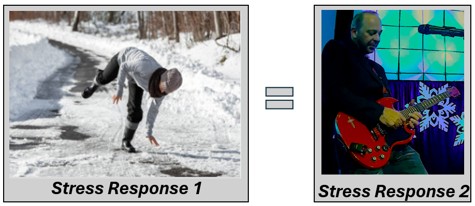
The particularly cruel joke is that your body can’t distinguish between real threats and imagined ones. Your immune system responds the same as stress comes down on you. My being upset by the slow goer in the fast lane is the same as me overthinking whether I’m going to play the correct riff at my next gig OR the same as my foot slipping on the black ice under my step. Good reaction and balance saved me but my stress level broke my blood pressure meter. Stress levels are the same whether I’m concerned about a gig or slipping on the ice. All in all, some stresses can be managed by my own mindfulness and some things just come at me. Regardless, our body’s instinctive reaction is to protect and not determine if the threat is real or imagined.
Hidden Stress Sources (The Sneaky Immune Saboteurs)
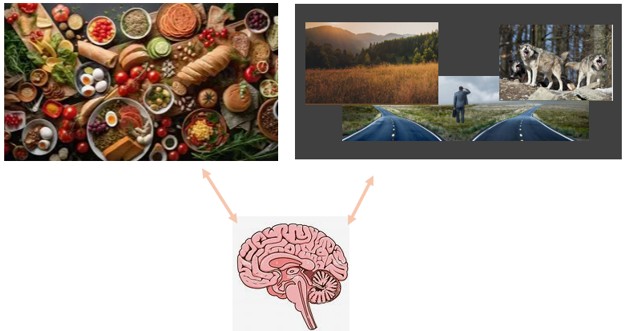
Modern life is full of stealth stressors that fly under your conscious radar but register loud and clear to your ancient brain. Information overload and decision fatigue are prime culprits—your brain treats choosing between the best foods for your diet with the same seriousness it once reserved for “Which path won’t lead to being eaten by wolves?”
Social comparison and perfectionism are particularly toxic to immune function. Every time you scroll through social media and unconsciously compare your behind-the-scenes reality to everyone else’s highlight reel, your brain interprets this as evidence that you’re failing at life. Your immune system gets the message: “We’re clearly not thriving, so we must be under threat. Time to redirect all energy to survival mode.”
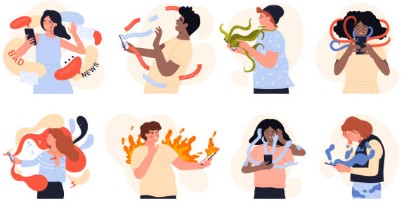
Unresolved emotional conflicts create a constant low-level stress buzz. That fight with your sister from three months ago that you’re “totally over”? Your body disagrees. Every time your brain loops back to replay the conversation, your stress hormones get a little boost, and your immune system gets a little weaker.

Sleep disruption and circadian rhythm dysfunction deserve special mention because they’re both a cause and effect of immune compromise. Poor sleep triggers stress hormones, which suppress immune function, which makes you more likely to get sick, which disrupts your sleep further. It’s like a merry-go-round of misery that nobody wants to ride

Constant connectivity might be the modern world’s greatest immune destroyer. Your brain was designed to have downtime, but now it’s expected to be “on” from the moment you check your phone in the morning until you finally put it down at night. Your nervous system never gets the message that the workday is over, so it never shifts into the “rest and repair” mode where immune function thrives.
The Rumination Factor: When Your Brain Becomes a Broken Record Player
Here’s where things get particularly interesting from a research perspective. Studies have indicated it’s not the initial event stress that hammers your immune system — it’s what they call “mental time travel.” This is your brain’s tendency to either replay past events endlessly or catastrophize about future scenarios.
When you ruminate about that embarrassing thing you said at the office holiday party two years ago, your brain treats it as if it’s happening right now. Your stress hormones spike, your immune system gets suppressed, and you’re essentially making yourself sick over something that exists only in your memory.

Getting a little mindful here, we’ve all had some embarrassing moments in our lives. I recall a recent gig where I got lost on the fretboard (guitar) and played in the wrong key, in front of a large crowd of people. Then to compensate I tried to relocate and that fell off more. Oh, yeah, embarrassing ………… but the real truth is …….. no one remembers. Well, maybe one or two in the band might but ultimately, it’s over and forgotten. Although, I have replayed it many times in my mind and each time I did, it stressed me. Then I finally came to realize most others truthfully didn’t notice, …….. or, it’s been forgotten by others ………. OR, the only great significance it had, was on me and no one else. These shots of reality put me back on the ground, less fretful (sort of a pun), no stress and back to serenity. I like that word ……… serenity. Like …….. I AM COMFORTABLE IN MY SKIN.

Similarly, when you lie awake at night running through seventeen different worst-case scenarios about tomorrow’s presentation, your body responds as if all seventeen disasters are currently occurring simultaneously. Your immune system, faced with this apparent avalanche of threats, just gives up and goes to hide in the corner. It’s at times like these, I reflect and say ……. in x-amount of hours, I’m on the other side of it and it’s over. I start to imagine how things will be after x-amount of hours and conclude, all will be as it was before I even realized I had to give the presentation. Back in my own, comfortable skin, I am. Life is gonna go on.
The crucial distinction here is between productive problem-solving and destructive rumination. Productive problem-solving has a goal, a timeline, and usually results in some kind of action plan. Destructive rumination is like a hamster wheel for your brain—lots of mental activity that goes nowhere and accomplishes nothing except wearing you out.
In summary, a good start to a healthy, flu-free, cold-free self is to keep your mind in a state of serenity or at least as close to serenity as possible. Absolute stress-free living is pretty much impossible. However, we do have choices as to how we respond and how we recover from situations that come on us. Stress, as we discussed here, reveals itself to be a significant detriment to physical health. As we move into the season of viruses and bacteria it’s a good practice to stay as stress free as possible. When we can’t avoid stressful situations, we should have some tools for recovery back to serenity.
Coming from an engineer’s mindset, I like to leave the problem or situation with some practical methods for resolution. Here’s a few items I recommend and have had success with, to get me back to a point of composure when my stress response kicks in.
📋 Real Life Application
🚨 EMERGENCY STRESS INTERVENTIONS (Use when stress is happening RIGHT NOW)
- 4-7-8 Breathing Reset: Inhale 4 counts → Hold 7 counts → Exhale 8 counts (repeat 3-4 times). There are several breathing techniques to employ this is one. Another I employ is inhale deeply, hold for 1-2 seconds, then take one more deep inhale, release through your nose at a moderate rate, repeat this method 3-times in a row.
- STOP Technique: Stop what you’re doing → Take 3 deep breaths → Observe thoughts/feelings without judgment → Proceed with conscious choice
- The Immunity Question: Before reacting to any stressor, ask: “Is this thought helping or harming my immune system right now?” One thing I do, as I begin to exhibit increased stress is, literally, ask myself how this is impacting my serenity. This actually helps me reset my mindfulness in a short time, almost immediately.
- Body Scan Reset: Quickly scan from head to toe, consciously releasing tension in shoulders, jaw, and stomach
- 5-4-3-2-1 Grounding: Notice 5 things you can see, 4 you can touch, 3 you can hear, 2 you can smell, 1 you can taste. This process helps me reset and bring me back to mindful reality and remove myself from the distractions of the current stressful situation.
🌅 DAILY IMMUNE-BUILDING PRACTICES (Build these into your routine)
- Morning Intention Setting: Before checking phone, take 10 deep breaths and set an intention for how you want to feel in your body today. Consider also, how does the news impact your feelings? Search your phone with intention, for data you need or for data that will enhance your mind, body and spirit.
- 3-Good-Things Evening Practice: Write down 3 positive things that happened and WHY you think they happened. This will help generate a sense of gratitude and remove any victim sense which tends to be mentally, physically and spiritually consuming.
- Worry Appointment Scheduling: Designate 15 minutes daily for concerns; postpone anxious thoughts to this window
- Midday Stress Check-ins: Set 2-3 random phone alarms; when they ring, do quick body scan and 5 conscious breaths and give thanks, to God, for the moments you have. This just helps to re-establish yourself ……….with yourself
- Golden Light Visualization: 10-minute morning immune-boosting imagery practice where you envision warm sunlight cascading onto your skin, your face
- Information Boundaries: No news/social media for first hour after waking and last hour before bed. I cannot encourage this practice enough.
- Phone-Free Zones: Meals, conversations with loved ones, first/last hour of day
- Prayer Release: Dedicated time spent in prayer. As a Christian, this is part of my daily routine, at my first morning opportunity before anything else clutters my thoughts. I add this throughout the day as moments arise. It helps me stay connected with my Maker and release tensions or stresses that consume my serenity
🎯 IMPLEMENTATION STRATEGY (How to actually make this work)
- Start with ONE: Choose one technique and practice it consistently for one week before adding more
- Calendar Integration: Schedule practices like medical appointments—they’re that important for your health
- Phone Reminders: Set alerts for breathing practices, stress check-ins, and evening gratitude
- Accountability Partner: Share your mental immunity goals with someone who will check in on your progress
- Progress Celebration: Acknowledge small wins—every time you choose calm over stress, you’re literally improving your health
🎯 YOUR STARTING POINT: Circle 3 numbers from this list that feel most doable for you right now. Commit to those three for the next week. Your immune system will start responding within days.
Measuring Your Progress
Objective Indicators:
- Sleep quality and duration
- Energy levels throughout the day
- Frequency of minor illnesses
- Recovery time from illness or injury
Subjective Assessments:
- Stress level ratings (1-10 scale)
- Emotional regulation capacity
- Sense of control over your health
- Overall life satisfaction
For these items you can use the MBS Wellness Tracker available at https://mbssynergy.com
When to Seek Additional Support
Signs that professional help would benefit:
- Chronic insomnia lasting more than two weeks
- Persistent anxiety that interferes with daily life
- Depression symptoms affecting motivation and energy
- Substance use as primary stress management
Building Your Support Network:
- Healthcare providers who understand mind-body connection
- Mental health professionals trained in health psychology
- Community groups focused on wellness and stress management
- Online resources for continued learning and support
Conclusion: Your Mind as Your Most Powerful Medicine
The Empowerment Reframe: Every single day, you have the opportunity to choose thoughts, practices, and perspectives that either support or sabotage your immune system. This isn’t about perfect positivity or denying life’s real challenges—it’s about becoming an active participant in your own healing and health maintenance. You have the ability to control how you manage stresses that come at you. Which in turn gives you the opportunity to manage your own immune system. It’s not always easy but it is achievable.
Key Takeaways:
- Your mental state directly and measurably impacts your physical health
- Small, consistent practices create profound physiological changes
- Stress resilience is a learnable skill, not a fixed trait
- Your immune system is listening to every thought and responds instinctively
Your Next Steps:
- Choose one technique from this article to implement today
- Commit to practicing it consistently for one week
- Notice the connection between your mental practices and how you feel physically
- Build gradually toward a comprehensive mental immunity protocol
The Seasonal Opportunity: As we head into cold and flu season, you have a unique opportunity to test these principles. Instead of just hoping to stay healthy, you can actively participate in building your body’s defenses through the power of your mind.
Resource Section
Recommended Books:
- “The Mind-Body Prescription” by Dr. John Sarno
- “Why Zebras Don’t Get Ulcers” by Robert Sapolsky
- “Book of Healing” by Reggie Anderson
- “Healing the Wounded Soul” by Katie Souza, from prison to a new life healed from a history of soul wounds
Apps and Tools:
- MBS Wellness Tracker available at https://mbssynergy.com
Stay connected, stay well in mind, body and spirit.
Let’s have some discussion………..
- Your Stress-Immune Connection Experience Have you noticed patterns between your stress levels and how often you get sick? Share a specific example of when high stress seemed to coincide with illness, or when good stress management helped you stay healthy during challenging times.
- The Mental Technique That Surprised You Which mindfulness or stress-interruption technique from this article resonates most with your lifestyle? If you’ve tried any of these approaches before, what worked (or didn’t work) for you, and what modifications did you make? Do you have other techniques that you’d recommend?
- Your Biggest Stress-Immune Saboteur What’s your personal “stress cascade trigger” – the specific thought pattern, situation, or habit that consistently sends your nervous system into overdrive? How do you currently handle it, and what new strategy from the article might you try?
- Modern Life vs. Ancient Biology Challenge The article mentions that our stone-age stress response system isn’t designed for modern stressors like emails and social media. What’s the most ridiculous thing that triggers your fight-or-flight response? How do you remind yourself that it’s not actually a saber-tooth tiger?
- Community Accountability & Support Who in your life could be your “mental immunity accountability partner”? Share one specific practice from the article you’d like to commit to trying for the next week and invite others to check in on your progress (or join you in the experiment).
Next Week Preview: “Physical Immune Boosters That Actually Work” – We’ll explore the nutrition, exercise, and lifestyle factors that create a fortress of health in your body.